


There are links on this site that can be defined as affiliate links. This means that we may receive a small commission (at no cost to you) if you purchase something through the links provided on this website.
Quitting cannabis can feel overwhelming, especially if it has been part of your daily routine for years. Whether your goal is better focus, improved mental health, or simply regaining control, learning how to Quit Smoking Marijuana is a powerful first step. This in-depth guide by Hempshop247 explains what works, why it works, and how to stay consistent without judgment or scare tactics.
Why Do People Decide to Quit Smoking Marijuana?
Many users decide to Quit Smoking Marijuana when they notice declining motivation, memory issues, anxiety, or disrupted sleep. Others stop due to career goals, family responsibilities, or health concerns. Understanding your reason matters because it becomes your anchor during difficult moments.
Long-term cannabis use may also affect daily habits, especially when combined with high-THC products like concentrates or vape carts. If you’ve ever wondered whether modern products intensify dependency, reading about does a cart get you high can offer useful context.
What Happens When You Stop Smoking Weed?
When you stop using cannabis, your body begins to recalibrate. This adjustment period can include cannabis withdrawal symptoms such as irritability, insomnia, reduced appetite, and mood swings. These effects are temporary and usually peak within the first week.
Sleep disruption is common, particularly if you relied on certain strains. Understanding strain effects like whether sativa keeps you awake can help you make sense of what your body is relearning.
How Can You Prepare Yourself to Quit Smoking Marijuana?
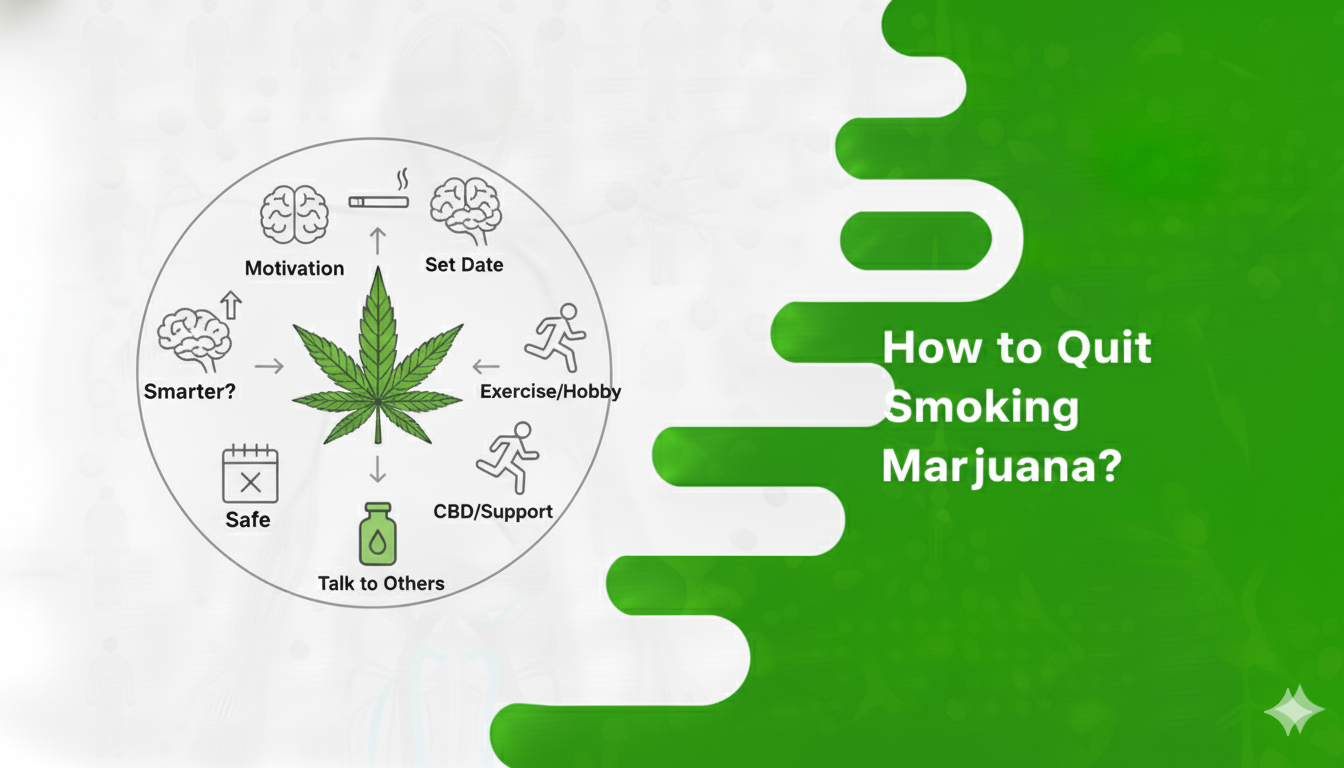
Preparation is the most overlooked step when trying to Quit Smoking Marijuana successfully.
Start by removing triggers. This may include grinders, rolling papers, or vape devices. If you’ve experimented with edibles or homemade products, it can also help to step away from recipes like how to make cannabis butter or cannabis brownies to avoid temptation.
Replacing habits is just as important as removing them. Some people shift toward wellness-focused hemp options, such as hemp protein powder or nutritional supports like hemp seeds to reinforce healthier routines.
What Are the Best Natural Ways to Quit Smoking Weed?
If you prefer a holistic approach, learning how to quit weed naturally can make the process feel more manageable.
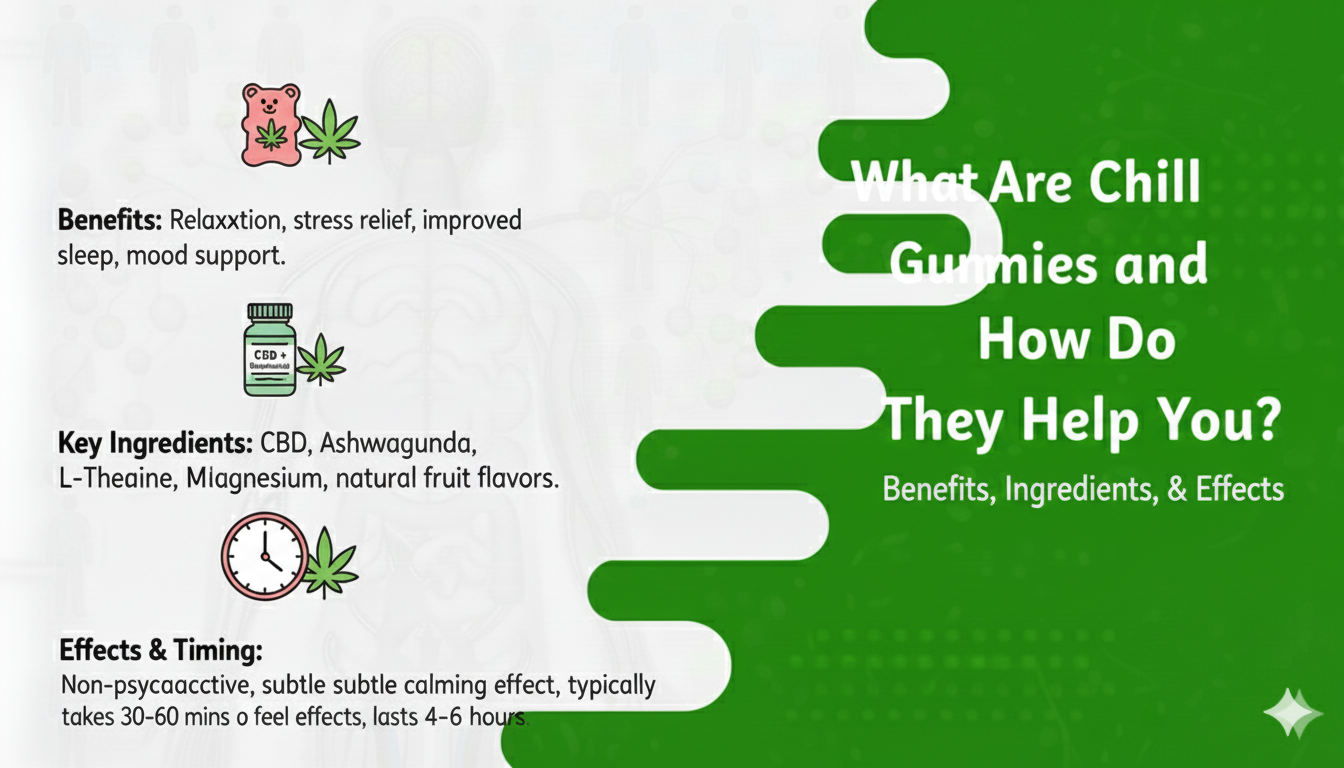
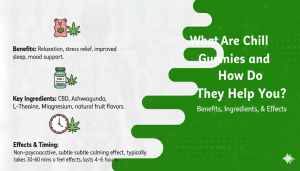
Physical activity reduces cravings and improves sleep. Mindfulness practices help regulate stress and emotional triggers. Some people explore non-intoxicating alternatives like CBD, which is widely discussed in guides such as best CBD oils for natural relief or CBD gummies for stress.
CBD does not produce a high and may help some users during marijuana addiction recovery, especially when anxiety is a major trigger.
How Do You Handle Cravings Without Relapsing?
Cravings are temporary, but habits make them feel permanent. One proven strategy is “urge surfing” acknowledging the craving without acting on it. Most urges pass within 20 minutes.
Staying informed about cannabis compounds can also reinforce your decision. Educational resources like THCA explained or delta-9 THC legality help shift your mindset from use to understanding.
Replacing smoking rituals with safer alternatives such as herbal teas, breathwork, or even topical products like CBD massage oil can ease the transition.
Can Lifestyle Changes Support Long-Term Success?
Absolutely. Long-term success when you Quit Smoking Marijuana depends on lifestyle alignment.
Nutrition supports brain chemistry. Healthy fats and plant-based nutrients found in options like hemp seed oil capsules may support overall wellness. Good sleep hygiene, consistent routines, and social accountability are equally important.
If pets are part of your household, learning about safety topics such as is cannabis bad for dogs can add another strong motivation to maintain a substance-free environment.
When Should You Seek Professional Help?
If quitting feels impossible or cannabis use interferes with work, relationships, or mental health, professional support can be life-changing. Therapy, counseling, or structured recovery programs provide accountability and coping tools that go beyond willpower.
This is especially important if you’ve used high-potency products or feel stuck in repeated relapse cycles.
Frequently Asked Questions
How long does it take to quit smoking marijuana completely?
Most withdrawal symptoms fade within 2–3 weeks, but mental clarity and motivation continue improving for months.
Is it better to quit cold turkey or taper off?
Both work, gradual reduction helps some people manage cannabis withdrawal symptoms, while others prefer a clean break.
Can CBD help when trying to quit weed?
Some users report that CBD helps manage anxiety and sleep issues, but results vary by individual.
Will quitting marijuana improve sleep?
Sleep may worsen initially, but most people report deeper, more consistent rest after a few weeks.
Is marijuana addictive?
While not everyone becomes dependent, marijuana addiction recovery is real for many users, especially with daily or high-THC use.
Final Thoughts: Is Quitting Marijuana Worth It?
Choosing to Quit Smoking Marijuana is not about perfection—it’s about progress. With the right preparation, supportive habits, and clear motivation, quitting becomes a process of self-improvement rather than deprivation. Over time, many people report better focus, emotional balance, and renewed energy for the things that truly matter.
If you’re ready to take control, start today. Your future self will thank you.