

There are links on this site that can be defined as affiliate links. This means that we may receive a small commission (at no cost to you) if you purchase something through the links provided on this website.
Understanding the difference between cannabis, weed and hemp is essential for consumers, wellness users, and anyone curious about plant-based products. Although these terms are often used interchangeably, they refer to different uses, chemical compositions, and legal categories within the same plant family. This in-depth guide by Hempshop247 explains everything clearly, simply, and accurately.
What Does the Term Cannabis Actually Mean?
Cannabis is the scientific name for a genus of flowering plants that includes Cannabis sativa, Cannabis indica, and Cannabis ruderalis. When people talk about cannabis in general, they are referring to the entire plant family rather than a specific product.
Cannabis plants naturally produce compounds called cannabinoids, including THC and CBD. These compounds interact with the human endocannabinoid system, influencing mood, sleep, appetite, and pain response. Discussions about safety—such as whether cannabis can harm pets are explored in resources like this guide on whether cannabis is bad for dogs.
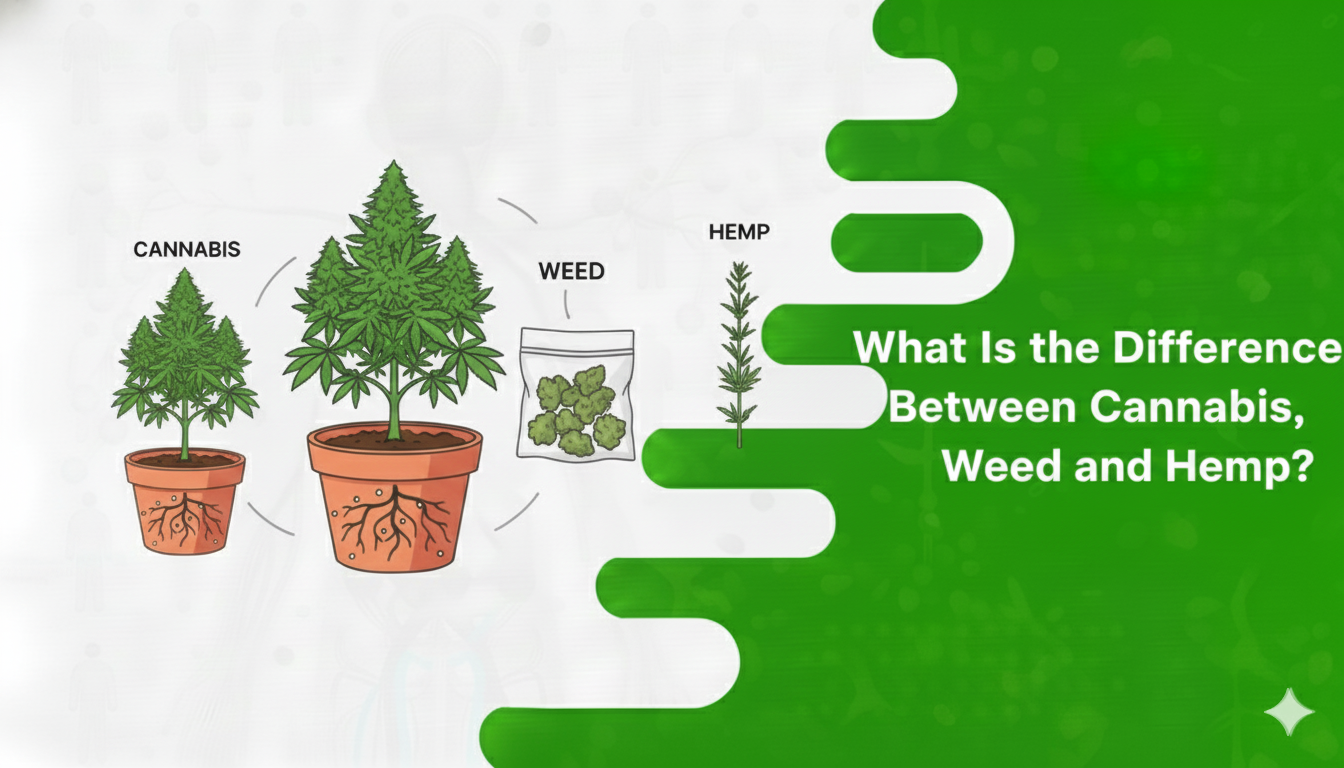
At its core, cannabis is the umbrella term under which both weed and hemp fall, making it the starting point for understanding the difference between cannabis, weed and hemp.
Is Weed Just Another Name for Cannabis?
Weed is a common, informal term used to describe cannabis plants that are high in THC (tetrahydrocannabinol), the compound responsible for psychoactive effects. Weed is typically cultivated for recreational or medical use, and it is often consumed by smoking, vaping, or eating infused foods.
Edible options like brownies and butter are popular, and many people explore guides on how to make cannabis brownies or how to make cannabis butter to understand preparation methods. Questions about potency and freshness also arise, especially when people wonder can you eat expired edibles.
Because weed contains higher THC levels, it is most associated with getting high, which is why topics like does a cart get you high or will sativa keep you awake are commonly discussed.
What Makes Hemp Different From Weed?
Hemp is cannabis that contains no more than 0.3% THC by dry weight. This extremely low THC level means hemp does not produce intoxicating effects. Instead, hemp is valued for its fibers, seeds, and wellness-focused compounds like CBD.
Hemp is widely used in products such as hemp protein powder, hemp seeds, and hemp seed oil capsules. Topical solutions like hemp cream for pain reduction and culinary options such as hemp oil for cooking highlight hemp’s versatility.
This functional focus is a key point in the difference between cannabis, weed and hemp, especially for consumers seeking non-intoxicating benefits.
How Does THC Content Define Cannabis, Weed, and Hemp?
THC content is the primary factor separating weed from hemp. Weed typically contains anywhere from 5% to over 30% THC, while hemp remains below the legal threshold. This distinction also affects legality, which varies by region and product type.
For example, cannabinoids like Delta-9 THC are closely regulated, as explained in this overview of Delta-9 THC and the legal landscape and state-specific discussions such as is Delta-9 legal in Texas. Newer compounds like THC-P and guidance on navigating THC-P legality further show how nuanced cannabis classification can be.
Are Hemp-Derived Products Still Considered Cannabis?
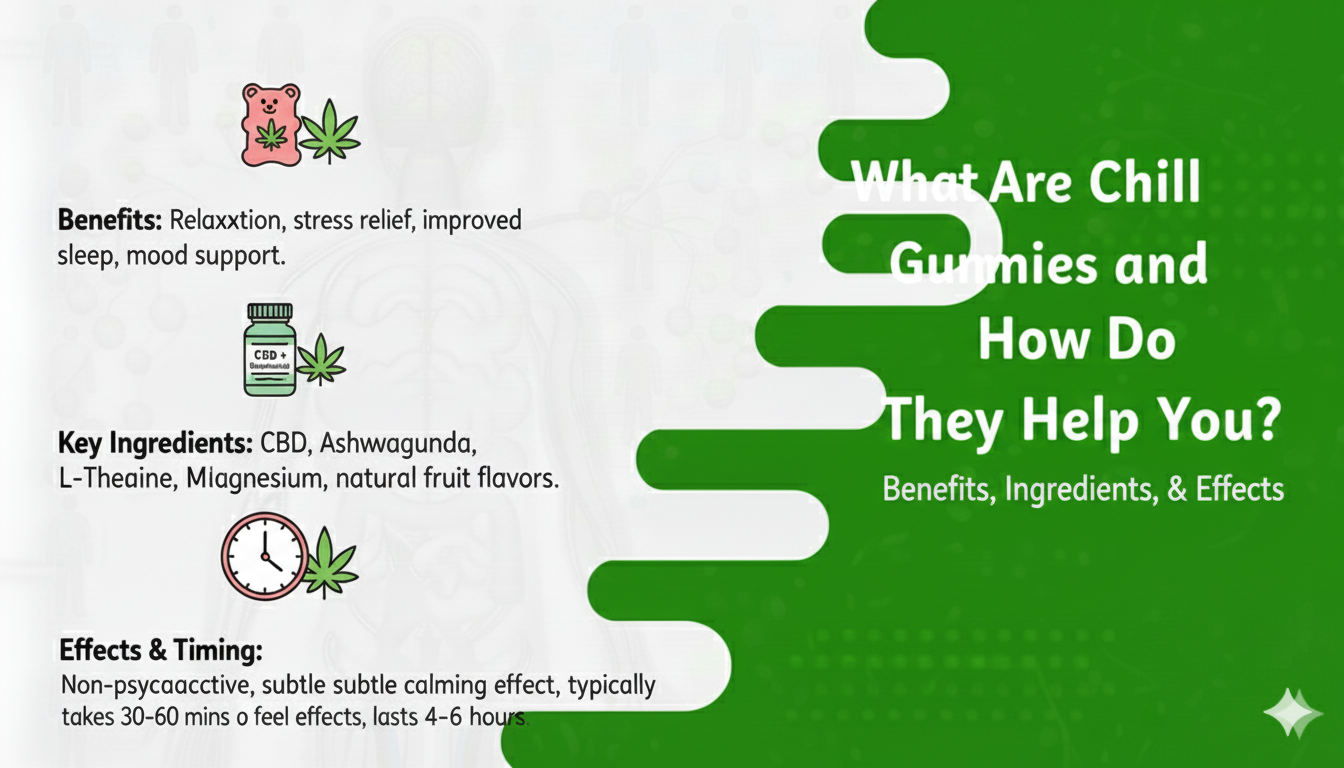
Yes, hemp-derived products are still cannabis products, but they fall under a different legal and functional category. CBD oils, gummies, and topical items are widely used for wellness and relaxation without intoxication.
Popular examples include best CBD oils for natural relief, CBD intimacy oil, and stress-support products like Power CBD gummies or Blue Vibe CBD gummies. Massage and wellness users often explore CBD massage oil for relaxation.
These products reinforce the difference between cannabis, weed and hemp by highlighting how hemp serves daily wellness needs.
How Do Consumption Methods Differ Between Weed and Hemp?
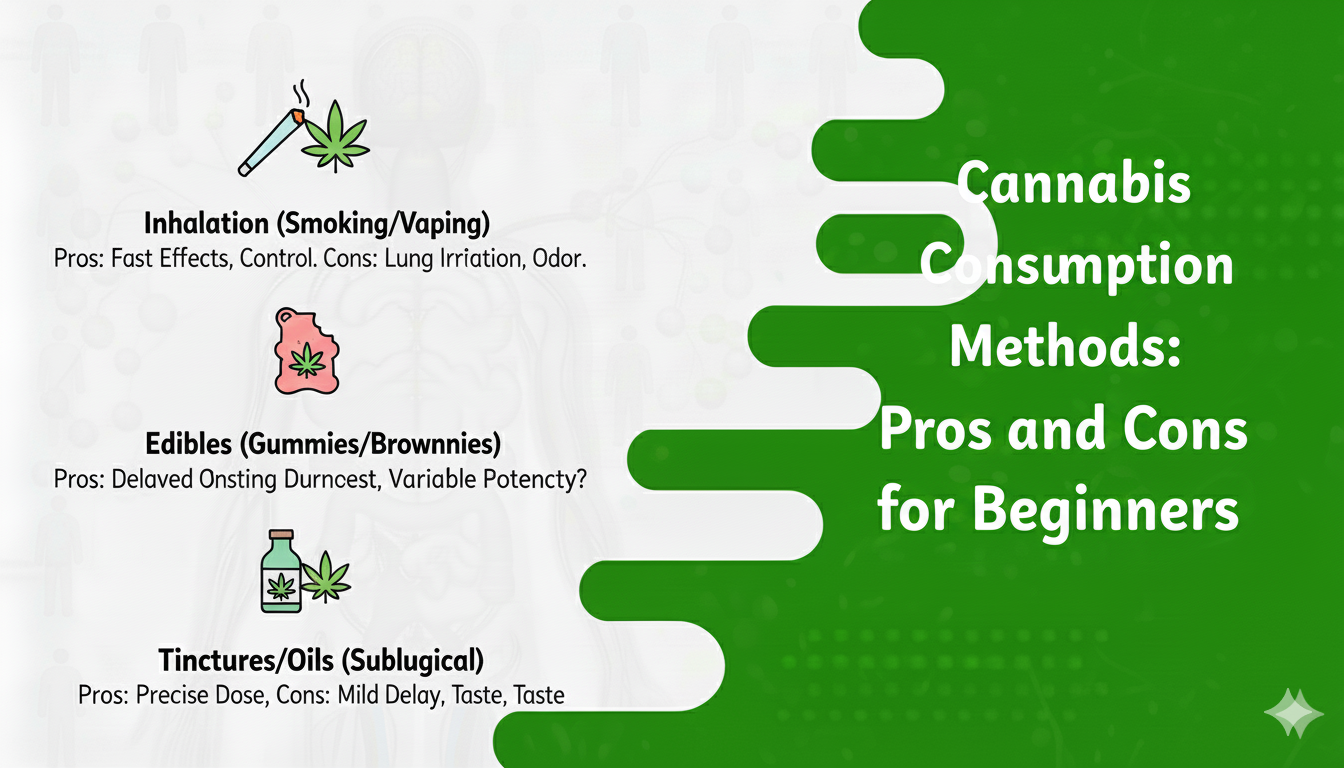
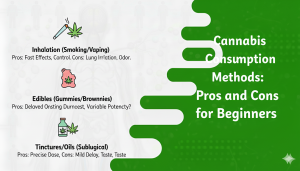
Weed is commonly consumed through smoking, vaping, or edibles, with tools like weed pen chargers and devices featured in guides to the best vape pens. Safe access, including weed delivery safety tips, is also an important consideration.
Hemp consumption, on the other hand, focuses on nutrition, skincare, and wellness. This includes pet-friendly options such as hemp for dogs and hemp oil for dogs, as well as alternative wraps like the top hemp wraps.
Why Does Legal Classification Matter So Much?
Legal classification determines how products are sold, transported, and consumed. While weed laws remain strict in many areas, hemp-derived products enjoy broader acceptance. This difference drives the growth of markets like THCa flower and explains interest in THCa wholesale distributors.
Strain-specific education, such as Skywalker strain effects and flavors, and emerging cannabinoids like HHC flower or THCP show how complex the cannabis landscape has become.
What Is the Real Difference Between Cannabis, Weed and Hemp?
The difference between cannabis, weed and hemp comes down to purpose, THC content, and legal status. Cannabis is the plant family, weed is THC-rich cannabis used for psychoactive effects, and hemp is low-THC cannabis used for wellness, nutrition, and industry. Understanding this distinction empowers smarter, safer choices.
Frequently Asked Questions
Is hemp the same plant as weed?
Yes, but hemp is bred to contain very low THC levels.
Can hemp products make you high?
No, compliant hemp products do not cause intoxication.
Is weed always illegal?
Legality depends on location and THC concentration.
Are CBD products considered cannabis?
Yes, CBD comes from cannabis, usually hemp.
Why is hemp legal in more places?
Because it lacks significant psychoactive effects.
Final Thoughts
Understanding the difference between cannabis, weed and hemp is more than just knowing the terminology it helps you make informed, responsible, and confident choices. While cannabis is the overarching plant family, weed and hemp serve very different purposes based on their THC content, effects, and legal treatment. Weed is primarily associated with psychoactive use, whereas hemp has become a cornerstone of wellness, nutrition, and everyday consumer products.
As the cannabis industry continues to evolve, clarity around these distinctions is essential for consumers, businesses, and policymakers alike. By knowing how cannabis, weed, and hemp differ, you can better evaluate products, understand their intended use, and stay aligned with legal and safety considerations. At Hempshop247, education plays a key role in empowering readers to navigate this growing landscape with confidence and awareness.