
There are links on this site that can be defined as affiliate links. This means that we may receive a small commission (at no cost to you) if you purchase something through the links provided on this website.
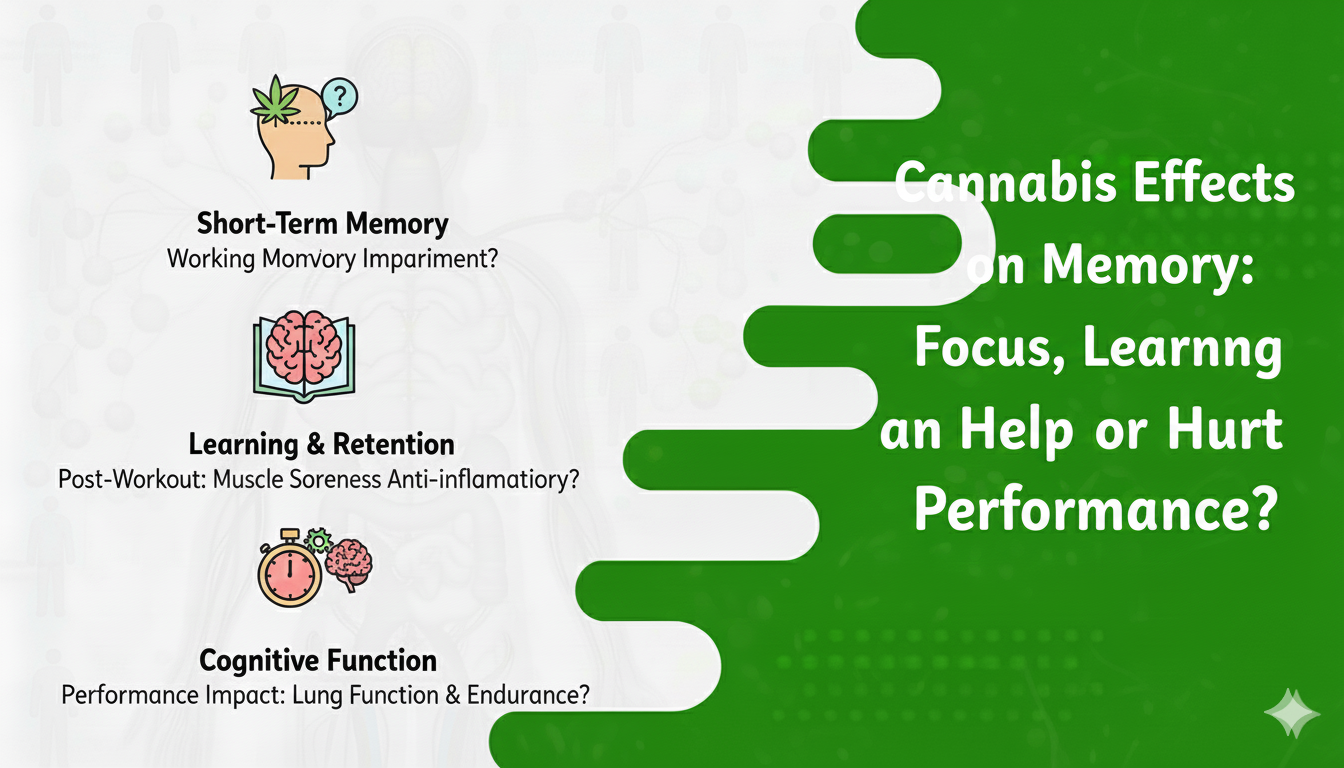
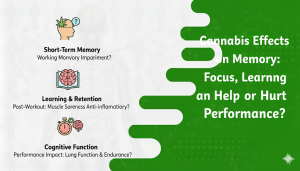
One of the most studied Side Effects of Cannabis involves its impact on the brain. Long-term cannabis effects may include changes in attention span, memory formation, and learning ability. Studies suggest that THC interacts with cannabinoid receptors involved in working memory, which explains why marijuana long-term use is often associated with difficulty retaining information.
Emerging evidence also highlights how different cannabinoids behave. While THC dominates discussions, compounds like THCA are also under investigation, as explained in this guide on THCA and its uses.
Can Cannabis Cause Long-Term Mental Health Issues?
Mental well-being is another area where the Side Effects of Cannabis become more complex. Research links heavy or prolonged use with increased risks of anxiety, mood instability, and in some individuals, psychosis. These cannabis health risks are more pronounced in people with a genetic predisposition to mental illness.
Understanding cannabinoid variations matters here. Articles such as Understanding THC-P and THC-P legality help explain why potency plays a key role in long-term cannabis effects.
What Are the Long-Term Physical Side Effects of Cannabis?
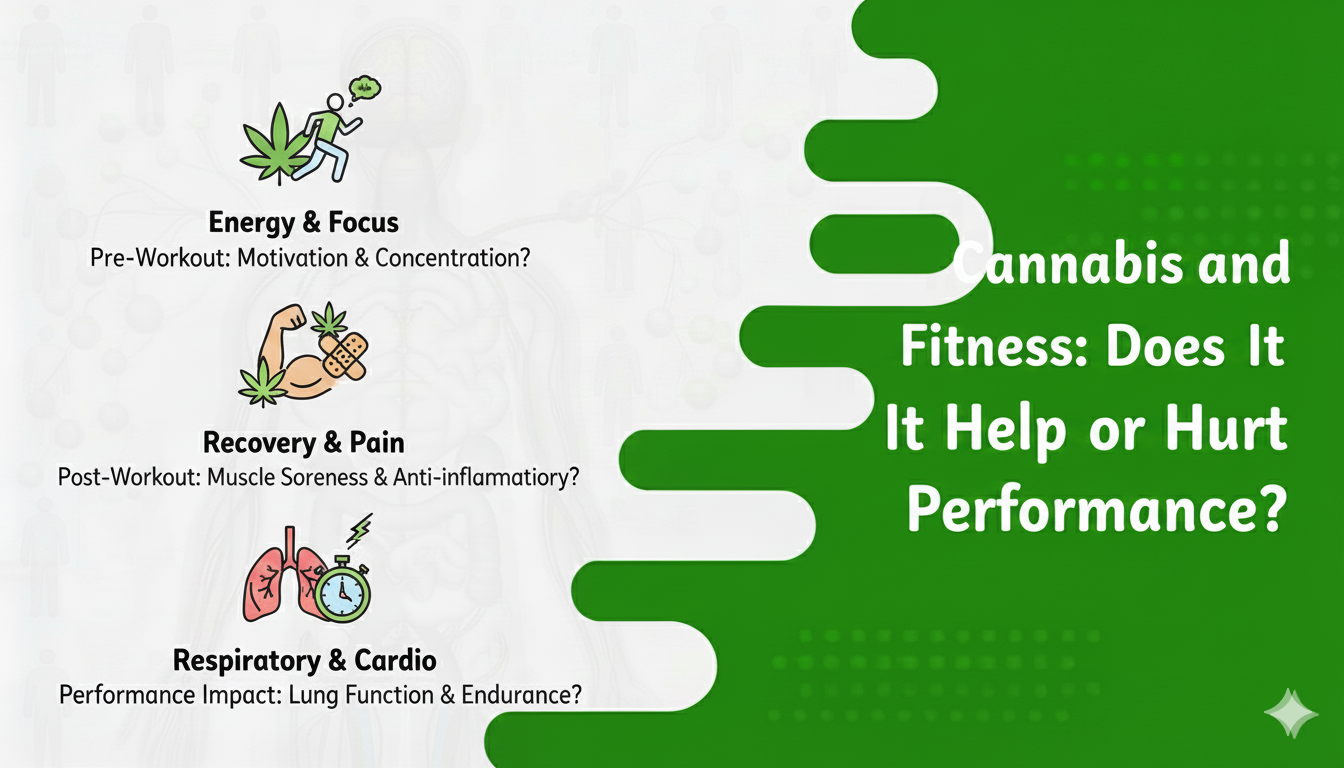
The Side Effects of Cannabis are not limited to mental health. Long-term cannabis effects may include:
- Respiratory irritation from smoking
- Increased heart rate and cardiovascular strain
- Reduced immune response with heavy use
Alternative consumption methods may reduce some risks, which is why many users explore oils or topical products like CBD massage oil or hemp cream for pain reduction.
Does Long-Term Cannabis Use Affect Sleep and Energy Levels?
Sleep disruption is a commonly reported Side Effects of Cannabis, particularly with frequent THC exposure. While some strains promote relaxation, others may interfere with natural sleep cycles. For example, many users question whether certain strains increase alertness, as discussed in will sativa keep you awake.
Over time, marijuana long-term use may reduce sleep quality, leading to fatigue and reduced productivity.
Can Cannabis Lead to Dependence Over Time?
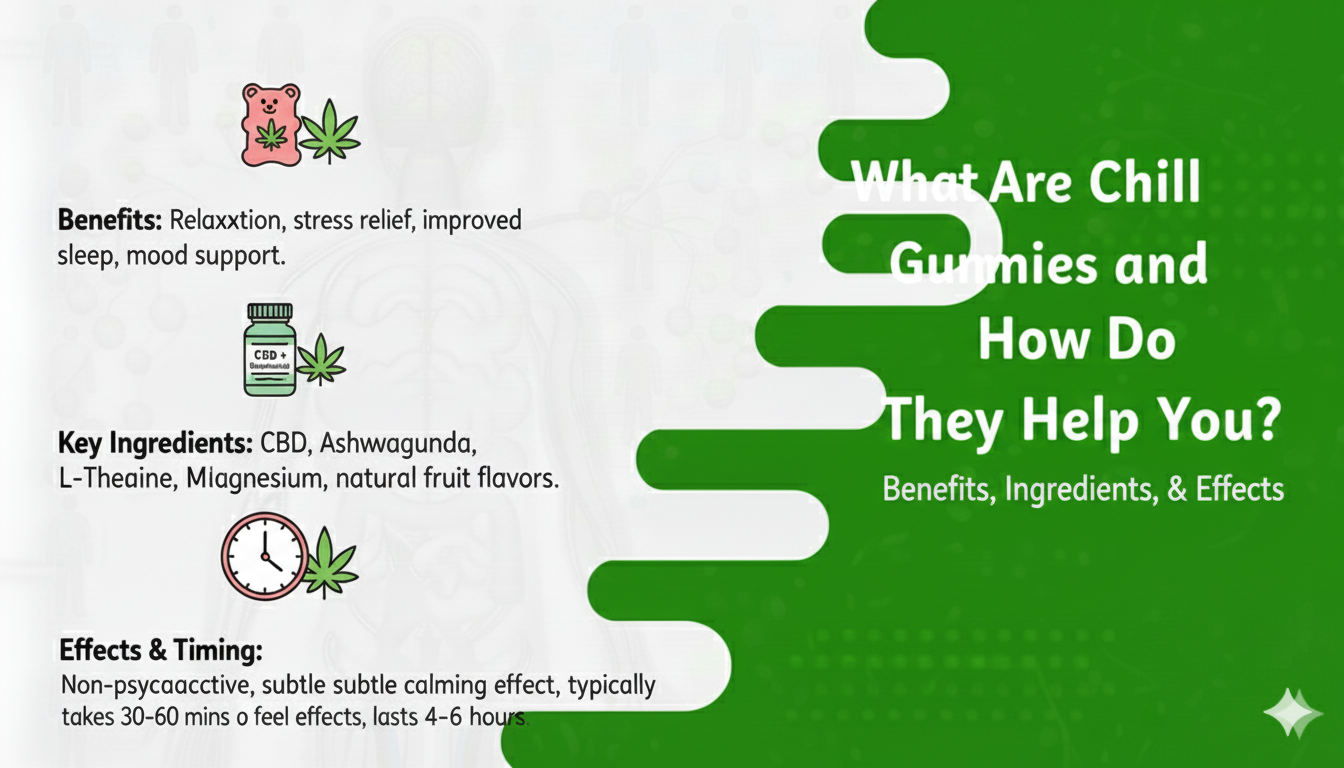
Another critical aspect of the Side Effects of Cannabis is dependence. While cannabis is not considered as addictive as some substances, long-term cannabis effects may include tolerance and withdrawal symptoms such as irritability or sleep disturbances.
Responsible use, proper dosing, and understanding product strength like those explained in does a cart get you high can reduce cannabis health risks.
How Does Long-Term Cannabis Use Impact Daily Life and Behavior?
Behavioral changes are subtle but significant Side Effects of Cannabis. Long-term users may experience reduced motivation, difficulty concentrating, or changes in emotional responsiveness. These effects of cannabis on the brain can influence work performance and social relationships.
Safer usage practices, including storage and delivery awareness, are discussed in safety tips for weed delivery.
Are Long-Term Effects Different for Edibles and Oils?
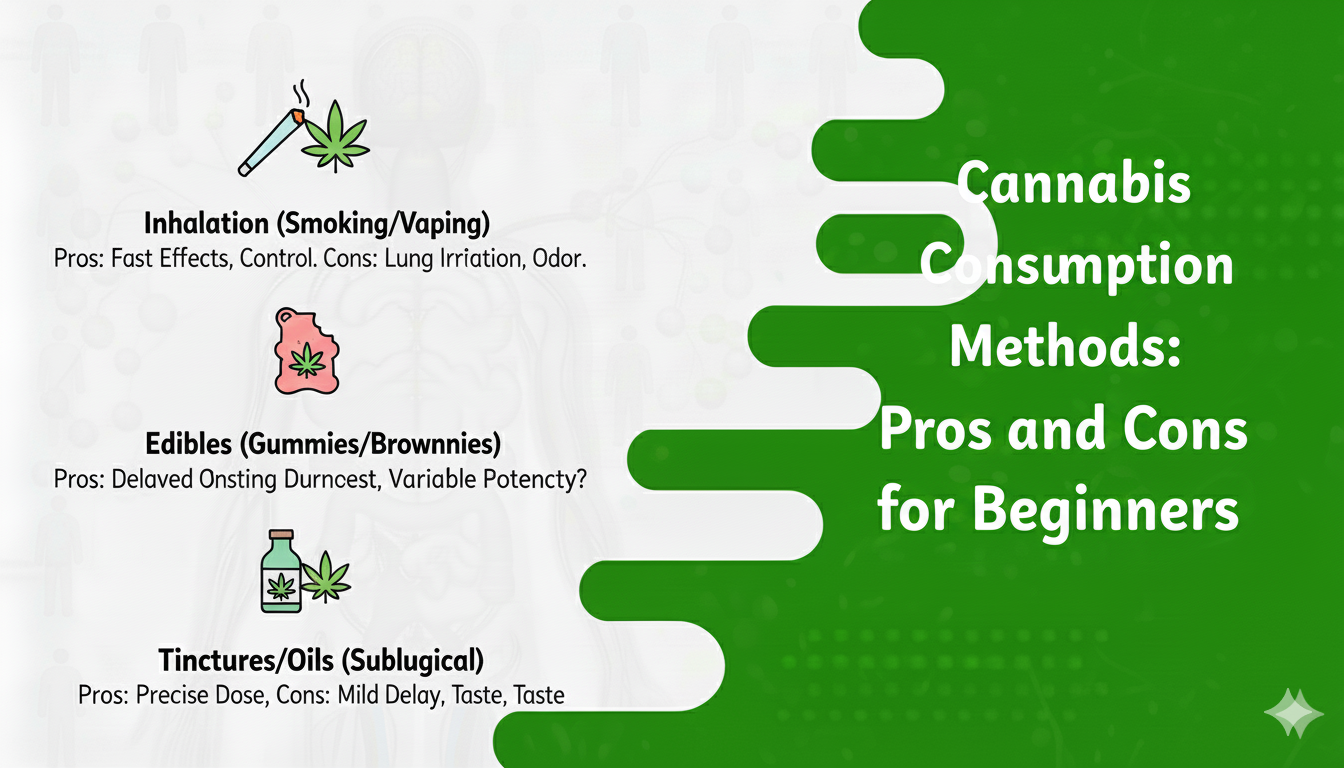
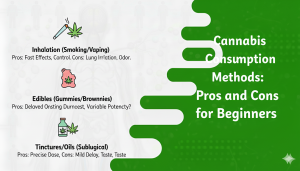
The consumption method plays a major role in the Side Effects of Cannabis. Edibles, for example, are metabolized differently and may produce stronger, longer-lasting effects. Guides like can you eat expired edibles and how to make cannabis butter help users understand safe preparation and storage.
CBD-focused products, such as those reviewed in best CBD oils, are often explored as lower-risk alternatives.
How Can Long-Term Risks Be Reduced?
Reducing the Side Effects of Cannabis starts with moderation, product awareness, and education. Exploring non-intoxicating hemp-based options like hemp protein powder or hemp seeds may offer benefits without the long-term cannabis effects linked to THC.
FAQs
1. What are the most common long-term side effects of cannabis?
The most reported Side Effects of Cannabis include memory issues, reduced concentration, and emotional changes.
2. Does cannabis permanently damage the brain?
Research suggests some effects of cannabis on the brain may be reversible, especially with reduced use.
3. Is long-term cannabis use linked to mental illness?
Yes, marijuana long-term use may increase risks for anxiety or psychosis in vulnerable individuals.
4. Are CBD products safer for long-term use?
CBD-dominant products are generally associated with fewer cannabis health risks compared to THC-heavy options.
5. Can changing consumption methods reduce side effects?
Yes, avoiding smoking and choosing controlled-dose products may reduce long-term cannabis effects.
Final Thoughts
Understanding the Side Effects of Cannabis is essential in today’s evolving cannabis landscape. Research continues to uncover how long-term cannabis effects influence the brain, body, and behavior. At Hempshop247, our goal is to provide balanced, research-informed content that empowers readers to prioritize safety, awareness, and responsible use while navigating cannabis and hemp products.