




There are links on this site that can be defined as affiliate links. This means that we may receive a small commission (at no cost to you) if you purchase something through the links provided on this website.
Muscle pain can disrupt daily life, workouts, sleep, and overall well-being. From athletes dealing with post-training soreness to individuals managing chronic conditions, many are now exploring Cannabis for Muscle relief as a natural alternative. But is it truly safe and effective, or just another wellness trend?
At Hempshop247, we aim to provide clear, evidence-based insights to help you make informed decisions. This in-depth guide explores how cannabis works for muscle pain, its benefits, risks, forms of use, and whether it’s right for you.
What Is Cannabis for Muscle Pain and How Does It Work?
Cannabis for Muscle pain relief works by interacting with the body’s endocannabinoid system (ECS), which regulates pain, inflammation, sleep, and muscle recovery. Compounds like THC, CBD, and THCa bind to ECS receptors, helping reduce muscle tension and discomfort.
Research on cannabinoids continues to expand, especially regarding inflammation and neuromuscular response. Many users report relief from tightness, spasms, and soreness after consistent, controlled use.
Why Are People Choosing Cannabis for Muscle Recovery?
People are increasingly turning to cannabis because it offers multi-layered support for muscle health. Unlike single-target painkillers, cannabinoids may address inflammation, nerve sensitivity, and relaxation together.
Those looking for topical options often explore hemp cream for pain reduction, while others prefer oils or edibles for full-body relief. Athletes also pair muscle care with nutrition using hemp protein powder to support recovery.
Is Cannabis for Muscle Pain Safe for Regular Use?
When used responsibly, Cannabis for Muscle relief is generally considered safe for adults. However, safety depends on dosage, product quality, and individual tolerance.
Low-THC or CBD-dominant products are often preferred for daily use, especially for people who want relief without intoxication. If you’re new, topical applications or CBD oils—such as those featured in best CBD oils for natural relief are a gentle starting point.
It’s also important to store products safely, particularly in homes with pets, as highlighted in is cannabis bad for dogs.
Which Cannabis Compounds Help Most With Muscle Pain?
Different cannabinoids offer different benefits for muscle discomfort:
- CBD: Known for anti-inflammatory and calming effects
- THC: Helps reduce pain perception and muscle spasms
- THCa: Non-psychoactive and often linked to inflammation control
Many users explore newer cannabinoids like those explained in THCH overview or THCP potential benefits to understand evolving options.
What Are the Best Ways to Use Cannabis for Muscle Relief?
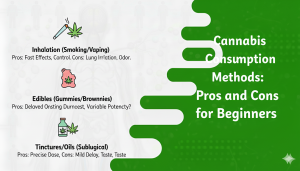
There is no one-size-fits-all approach. The most common methods include:
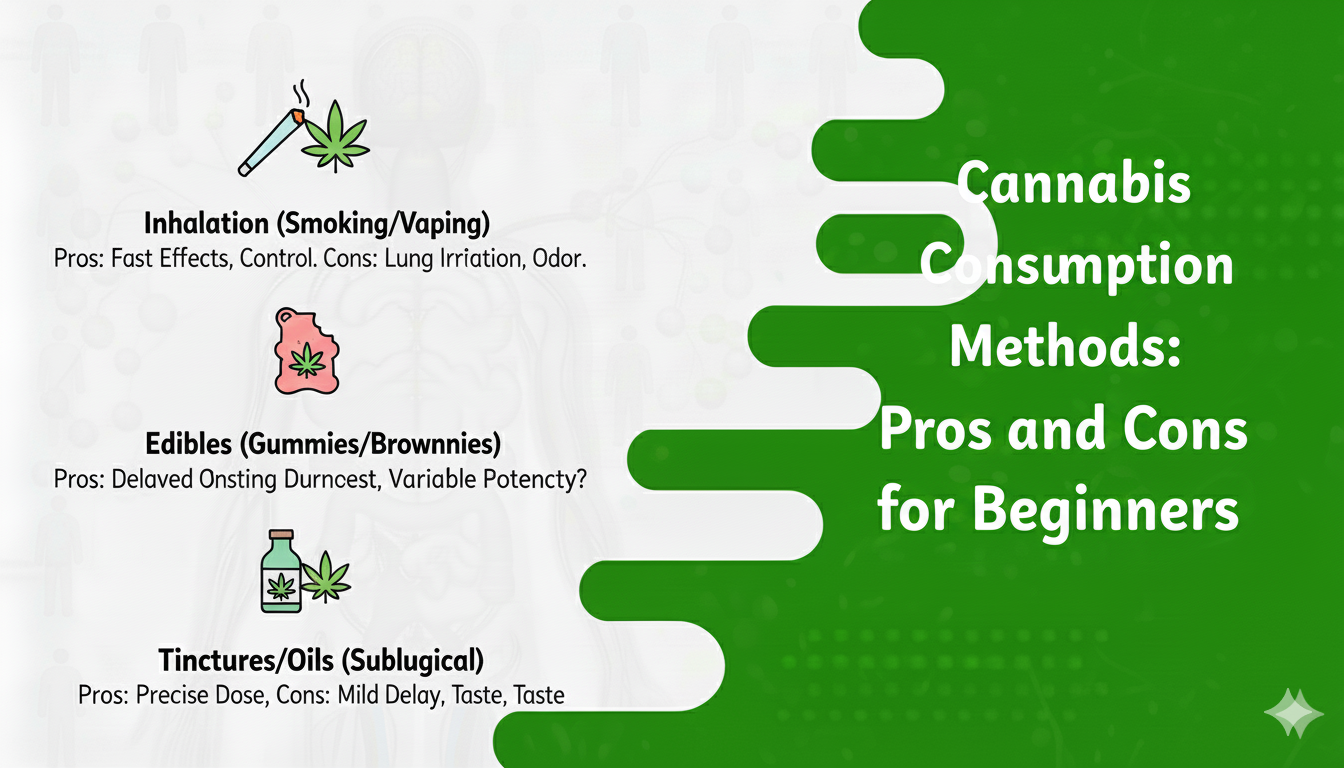
- Topicals: Creams and massage oils like CBD massage oil target localized pain
- Oils & Capsules: Systemic relief with longer-lasting effects
- Edibles: Useful for nighttime recovery, though dosage timing matters
- Vaping: Fast-acting but shorter-lasting relief
Understanding product freshness is important, especially with edibles, as discussed in can you eat expired edibles.
Does Cannabis Help With Muscle Spasms and Tension?
Yes, many users report reduced spasms and improved relaxation. THC-rich strains may help calm overactive muscles, while CBD supports inflammation reduction. Some strains, such as those reviewed in Skywalker strain effects, are often associated with deep body relaxation.
For daytime use, people often ask will sativa keep you awake, highlighting the importance of choosing the right strain.
Are There Any Side Effects of Using Cannabis for Muscle Pain?
While generally well tolerated, possible side effects include:
- Mild drowsiness
- Dry mouth
- Temporary dizziness (with higher THC doses)
These effects are usually dose-related. Beginners should start low and adjust gradually. Legal considerations also matter, especially when traveling or purchasing products, as explained in delta-9 THC legal landscape.
How Does Cannabis Compare to Traditional Muscle Pain Treatments?
Traditional treatments like NSAIDs focus mainly on pain suppression, while Cannabis for Muscle relief may support inflammation control, relaxation, and sleep simultaneously. Many people combine cannabis with lifestyle changes such as stretching, hydration, and nutrition using hemp seeds for overall muscle health.
Frequently Asked Questions
Can cannabis replace muscle pain medications?
It may reduce reliance on some medications, but results vary by individual.
Is CBD better than THC for muscle pain?
CBD is preferred for daytime use, while THC may help more with severe pain or spasms.
How long does cannabis take to work for muscle pain?
Topicals may work within minutes; edibles can take 1–2 hours.
Can athletes use cannabis for recovery?
Many do, especially CBD-based products, depending on local regulations.
Is long-term use of cannabis for muscle pain safe?
For most adults, responsible long-term use is considered low risk when products are well sourced.
Final Thoughts
Cannabis for Muscle pain relief offers a promising, flexible option for those seeking natural support for soreness, tension, and recovery. With multiple consumption methods, evolving research, and a growing range of hemp-derived products, it continues to gain trust among wellness-focused users.
At Hempshop247, we believe education is key. When chosen carefully and used responsibly, cannabis can be a valuable part of a balanced muscle recovery routine supporting comfort, movement, and quality of life without unnecessary strain on the body.