




There are links on this site that can be defined as affiliate links. This means that we may receive a small commission (at no cost to you) if you purchase something through the links provided on this website.
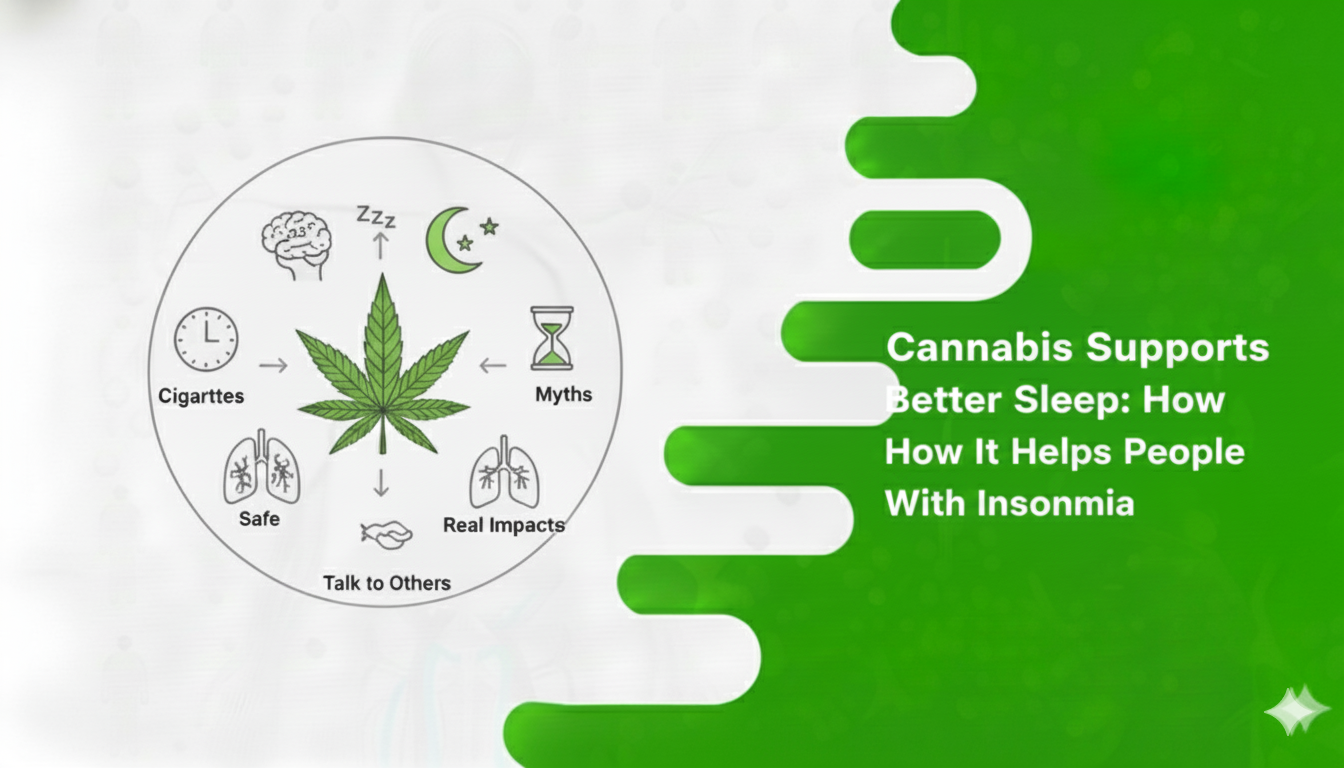
Insomnia affects millions of people worldwide, interfering with mental focus, physical health, and emotional balance. Difficulty falling asleep, staying asleep, or achieving restorative rest is increasingly common. Research and real-world use now show that Cannabis Supports Better Sleep when used mindfully and with proper understanding.
At Hempshop247, we explore how cannabis works with the body’s natural systems to support healthier sleep patterns especially for people struggling with chronic insomnia.
How Does Cannabis Support Better Sleep for People With Insomnia?
The reason Cannabis Supports Better Sleep lies in its interaction with the endocannabinoid system (ECS). This system regulates sleep, stress, pain, and mood. Cannabinoids bind to ECS receptors, helping balance circadian rhythms and promote relaxation.
For people whose insomnia is caused by anxiety, pain, or overactive thoughts, cannabis may gently slow the nervous system. Understanding whether certain cannabis effects can cause stimulation—such as asking will sativa keep you awake? helps users make better sleep-focused choices.
What Role Do THC and CBD Play in Improving Sleep Quality?
THC and CBD affect sleep in different but complementary ways:
- THC may reduce sleep onset time and increase deep sleep. Learning about compounds like Delta-9 THC and navigating the legal landscape is essential for safe use.
- CBD supports relaxation without intoxication and is commonly used for stress-related insomnia. Many people rely on best CBD oils for natural relief to calm the mind before bedtime.
Together, these cannabinoids improve cannabis and sleep quality when dosed correctly.
Can Cannabis Help With Anxiety-Related Insomnia?
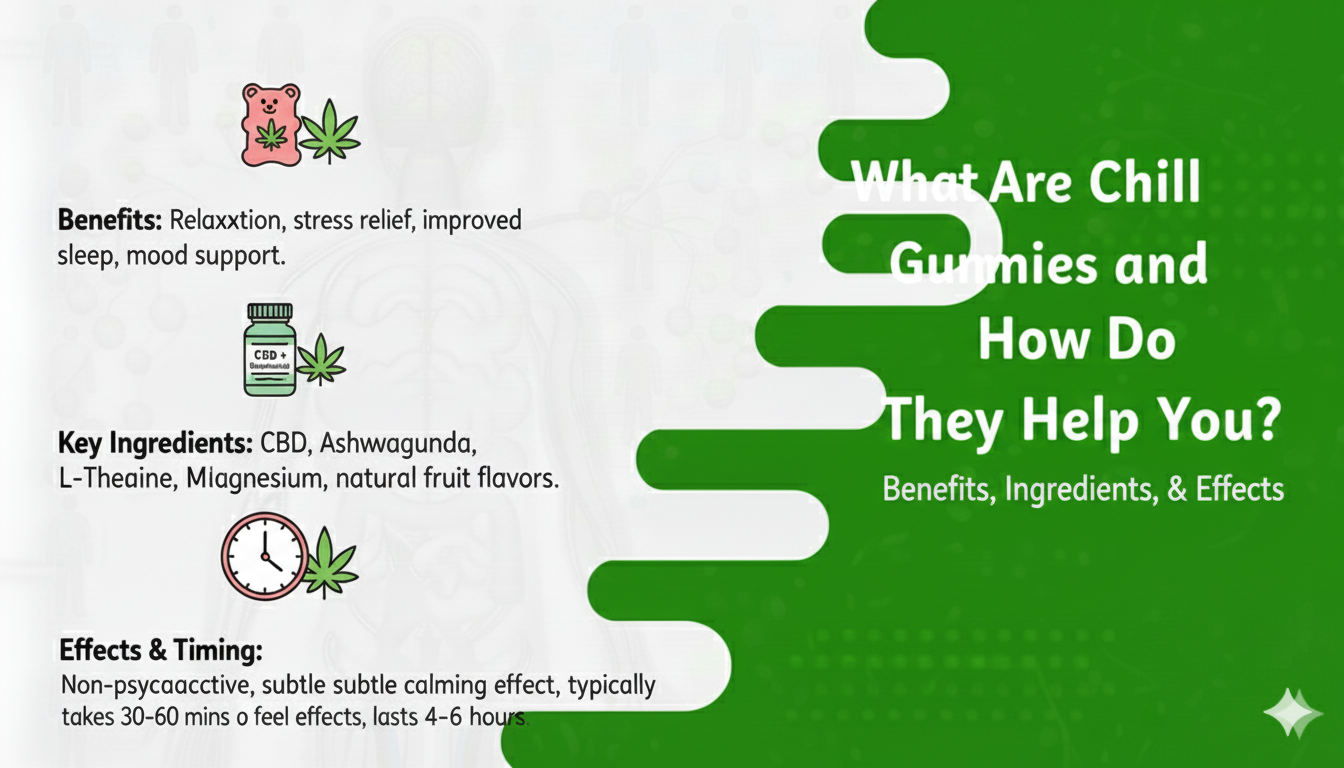
Anxiety is one of the most common causes of insomnia. Cannabis may reduce nighttime anxiety by calming the nervous system and lowering cortisol levels. Products like Power CBD gummies for stress relief or CBD massage oil are often used as part of nighttime routines.
This calming effect is a major reason Cannabis Supports Better Sleep for people whose insomnia is linked to mental overstimulation.
Does Cannabis Improve Sleep Duration and Sleep Cycles?
Cannabis may help users stay asleep longer by reducing nighttime awakenings. THC can suppress REM sleep, which may reduce nightmares in some individuals. Exploring compounds like THCA and its uses or THCP potential benefits provides deeper insight into how cannabinoids influence sleep cycles.
However, balance matters. Overuse may reduce long-term sleep quality, making education essential.
What Forms of Cannabis Are Best for Better Sleep?
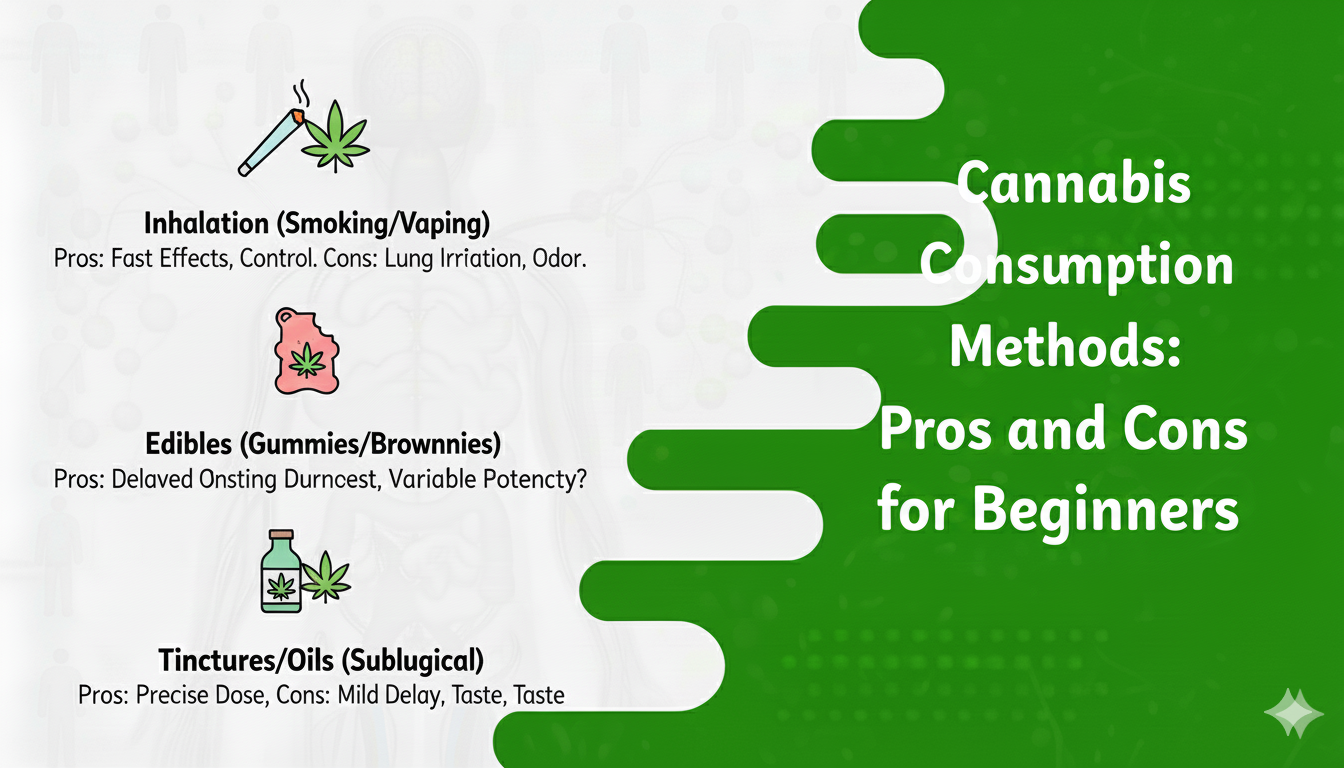
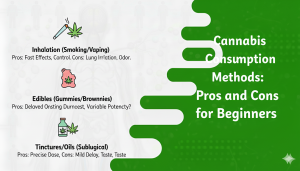
Different consumption methods impact sleep differently:
- Edibles offer long-lasting effects, but users should understand safety topics like can you eat expired edibles?
- Oils and tinctures allow controlled dosing and faster absorption
- Vapes act quickly when paired with reliable weed pen chargers and best vape pens
- Topicals like hemp cream for pain reduction may indirectly support sleep by easing discomfort
Many users also prefer homemade options using how to make cannabis butter or cannabis brownies for nighttime use.
Can Cannabis Help With Pain-Related Insomnia?
Chronic pain often disrupts sleep. Cannabis may reduce inflammation and discomfort, making rest easier. Nutritional hemp products such as hemp seed oil capsules, hemp seeds, and hemp protein powder support overall wellness.
Pet owners should also be informed about safety topics like is cannabis bad for dogs? and safer alternatives such as hemp oil for dogs.
Is Cannabis Safe for Long-Term Sleep Support?
While Cannabis Supports Better Sleep, responsible use is critical. Long-term high-THC use may cause tolerance. Many users rotate CBD-focused products or explore newer cannabinoids like HHC flower.
Understanding legality such as is Delta-9 legal in Texas?—and following weed delivery safety tips ensures safe, compliant usage.
How Does Cannabis Compare to Traditional Sleep Medications?
Unlike many prescription sleep aids, cannabis may offer fewer side effects when used responsibly. It also supports relaxation, pain management, and emotional balance. Natural wellness options like mushroom gummies and hemp oil for cooking complement sleep-focused lifestyles.
Frequently Asked Questions
1. Can cannabis really help people with insomnia?
Yes, evidence suggests cannabis may improve sleep onset and duration when used correctly.
2. Is CBD or THC better for sleep?
CBD helps anxiety-related insomnia, while THC may shorten sleep onset time.
3. Will cannabis disrupt sleep cycles?
Improper dosing may affect REM sleep, making education important.
4. How long before bed should cannabis be used?
Edibles work best 1–2 hours before sleep; oils and vapes act faster.
5. Is cannabis addictive if used for sleep?
Moderate, mindful use reduces dependency risk.
Final Thoughts
When used responsibly, Cannabis Supports Better Sleep by calming the mind, reducing discomfort, and supporting natural sleep rhythms. With proper education and product selection, cannabis offers a plant-based approach to insomnia that continues to gain scientific and consumer trust.