
There are links on this site that can be defined as affiliate links. This means that we may receive a small commission (at no cost to you) if you purchase something through the links provided on this website.
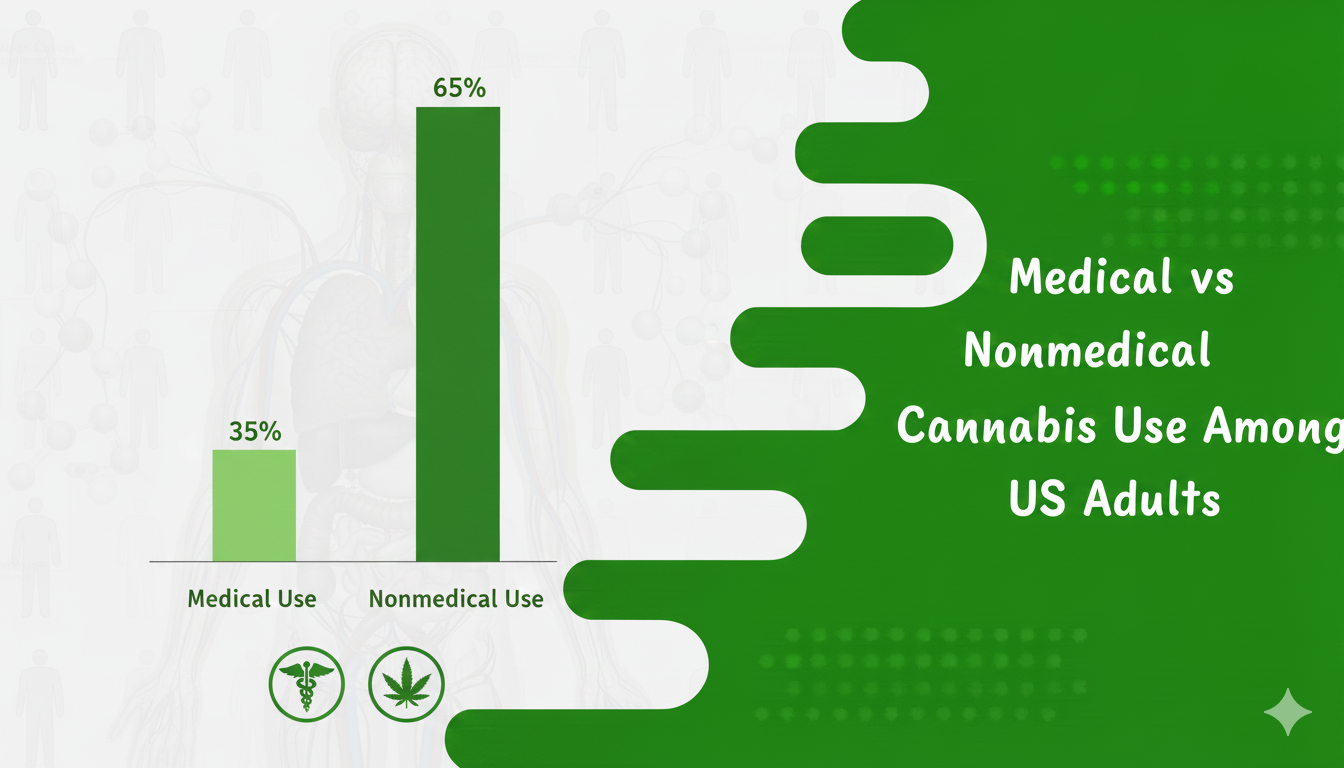
Cannabis use among adults in the United States has become increasingly common, but understanding the distinction between medical vs nonmedical cannabis is essential for safe and informed consumption. While some use cannabis to manage health conditions, others consume it recreationally. In this guide from Hempshop247, we break down the differences, benefits, risks, and safety tips.
What Is Medical Cannabis and How Is It Used?
Medical cannabis refers to the use of the cannabis plant or its compounds, like THC and CBD, to treat specific health conditions under medical supervision. Adults may use it for chronic pain, anxiety, insomnia, or nausea caused by chemotherapy. Studies have shown that medical cannabis can help alleviate symptoms and improve quality of life.
Medical cannabis is often regulated, and patients typically require a prescription or medical card depending on state laws. Forms of medical cannabis include:
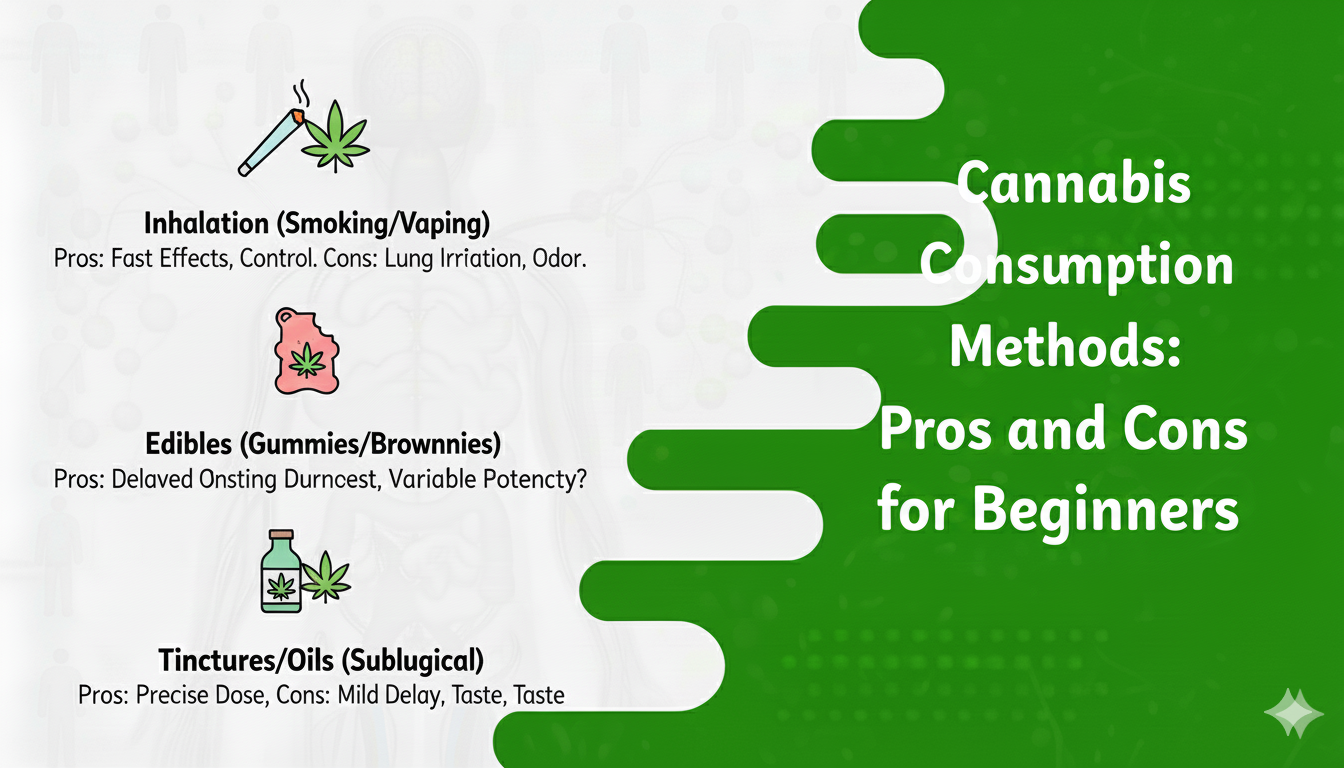
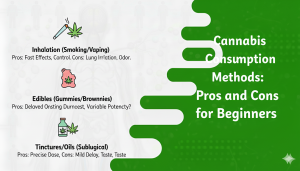
- Oils and tinctures – easy dosing and fast absorption.
- Edibles – like cannabis brownies or capsules, offering long-lasting effects.
- Topicals – for localized pain relief.
For detailed guidance on preparing edibles safely, you can check How to Make Cannabis Butter.
What Is Nonmedical Cannabis Use?
Nonmedical cannabis use, also known as recreational marijuana use, is when adults consume cannabis for enjoyment, relaxation, or social reasons without medical supervision. This can include smoking, vaping, or consuming edibles.
Unlike medical cannabis, nonmedical use often lacks precise dosing and may increase the risk of overconsumption. It is important for adults to understand the potency of products like Delta-9 THC and how different strains may affect alertness and mood.
How Do Medical vs Nonmedical Cannabis Effects Differ?
The effects of cannabis depend on dosage, THC/CBD ratio, and individual physiology.
- Medical cannabis effects: Typically aimed at symptom relief, such as reduced pain, decreased nausea, and improved sleep. Medical products often have balanced THC/CBD ratios.
- Nonmedical cannabis effects: Primarily psychoactive, leading to euphoria, relaxation, or altered perception. Without medical guidance, users may experience anxiety, impaired memory, or drowsiness.
Understanding these differences helps adults choose products responsibly. For example, Can You Eat Expired Edibles provides insights on safe consumption limits.
Is Medical Cannabis Safe for Adults?
When used under medical supervision, medical cannabis is generally considered safe for adults. Healthcare providers recommend starting with low doses and gradually adjusting based on response.
Safety tips include:
- Avoid mixing with alcohol or other sedatives.
- Monitor for side effects such as dizziness or dry mouth.
- Consult your doctor if taking other medications.
For more insights on choosing the right products, explore Hemp vs Marijuana: How to Differentiate Between Both.
What Are the Risks of Nonmedical Cannabis Use?
Nonmedical cannabis use carries risks, particularly with high-THC products or frequent consumption. Common risks include:
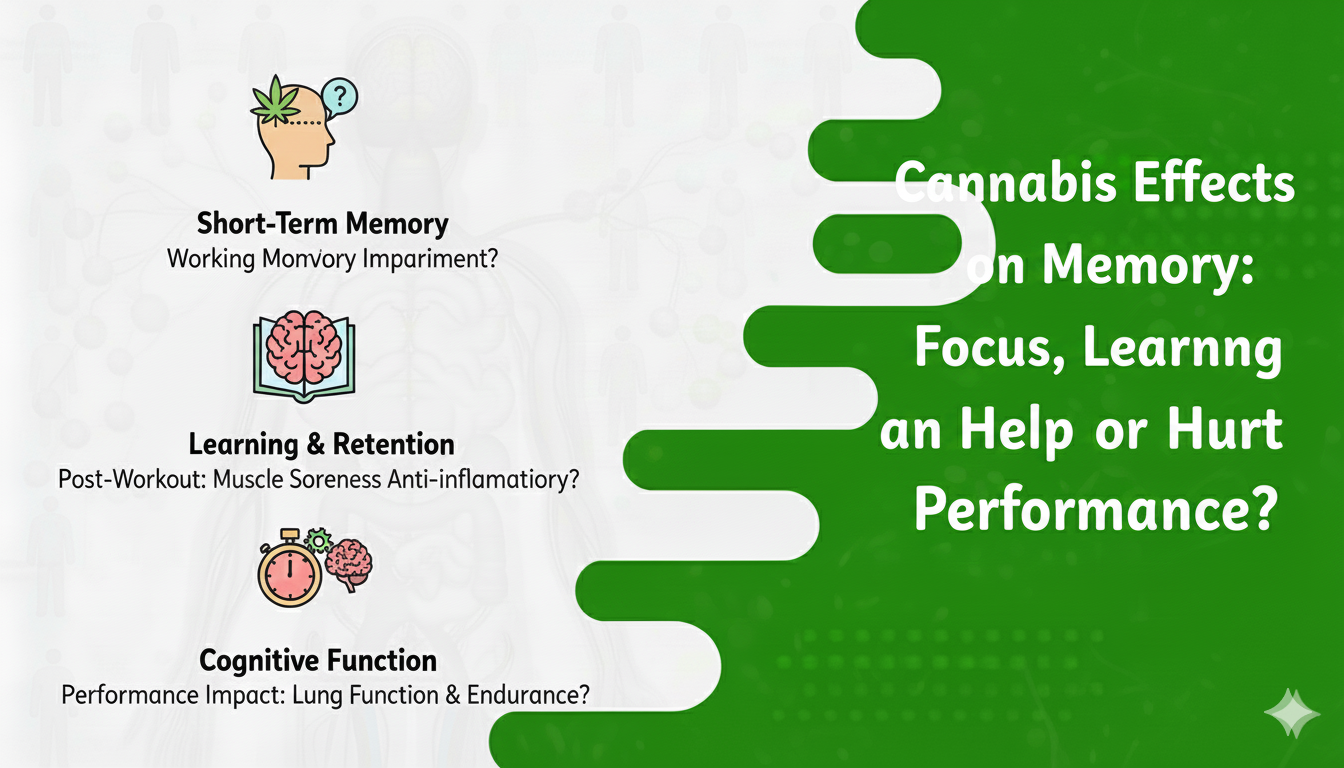
- Impaired short-term memory and concentration.
- Risk of dependency with regular use.
- Increased anxiety or paranoia in sensitive individuals.
- Legal consequences depending on state regulations.
Hempshop247 emphasizes responsible consumption, recommending users always verify product potency and avoid overconsumption.
How to Safely Use Cannabis (Tips & Guidelines)
Safe cannabis use, whether medical or nonmedical, requires awareness:
- Know your product: Check THC/CBD content and type.
- Start low, go slow: Begin with a small dose, especially for edibles.
- Use trusted sources: Purchase from licensed dispensaries or verified suppliers.
- Avoid risky combinations: Do not mix with alcohol or sedatives.
- Monitor effects: Keep a journal to track dosage and reactions.
For more guidance on adult cannabis use, see Is Cannabis Bad for Dogs (helps understand toxicity risks for pets) and Safety Tips for Weed Delivery.
Frequently Asked Questions
1. Can medical and nonmedical cannabis be used together?
It’s not recommended without medical supervision, as combined use may increase psychoactive effects.
2. How long does cannabis stay in your system?
THC can be detected in urine for days to weeks, depending on frequency and dose.
3. Are edibles safer than smoking?
Edibles avoid respiratory risks but require careful dosing due to delayed onset. Check How to Make Cannabis Brownies for safe homemade recipes.
4. Is CBD part of medical cannabis?
Yes, CBD is a non-psychoactive compound commonly used for therapeutic benefits.
5. Can nonmedical cannabis lead to addiction?
Frequent recreational use can cause dependency in some adults, particularly with high-THC products.
Conclusion
Understanding the differences between medical vs nonmedical cannabis is crucial for safe and effective use. Adults should prioritize informed decisions, follow dosage guidelines, and consult healthcare providers when using medical cannabis. Hempshop247 provides resources and guides to help users safely navigate cannabis consumption, whether for health or recreation.