
There are links on this site that can be defined as affiliate links. This means that we may receive a small commission (at no cost to you) if you purchase something through the links provided on this website.
Gen Z’s mushroom obsession runs across four simultaneous cultural shifts sharing the same organism: a functional wellness movement replacing alcohol and synthetic supplements, a growing cultural openness to psychedelics, a political metaphor for decentralized society, and a scientific frontier still producing major discoveries. Mushrooms have moved from niche wellness products into mainstream lifestyle, youth culture, and the centre of a global psychedelic conversation.
What Are Functional Mushrooms and Why Is Everyone Talking About Them?
Functional mushrooms are non-psychoactive fungi consumed for perceived health and wellness benefits rather than flavor or nutrition. They contain no psilocybin, produce no altered states, and are legally sold in grocery stores, health food chains, and online retailers worldwide.
The species most widely marketed to Gen Z include:
| Mushroom | Commonly Marketed For | Common Forms |
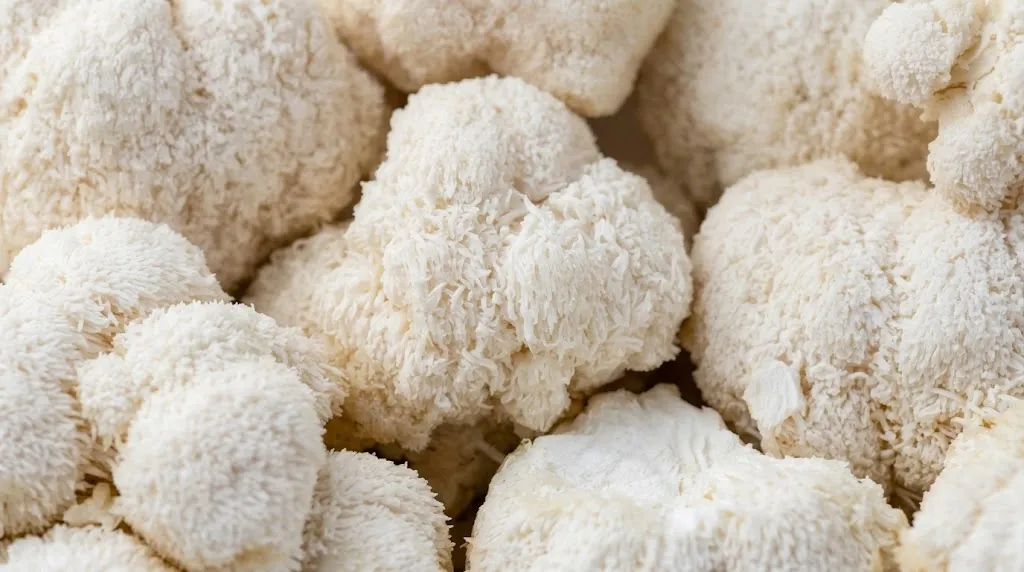
| Lion’s Mane | Focus and cognitive support | Coffee, capsules |
| Reishi | Stress and sleep support | Tea, tinctures |
| Cordyceps | Energy and athletic performance | Powders, pre-workout |
| Chaga | Antioxidant and immune-support positioning | Tea, supplements |
| Turkey Tail | Gut and immune-support positioning | Capsules, powders |
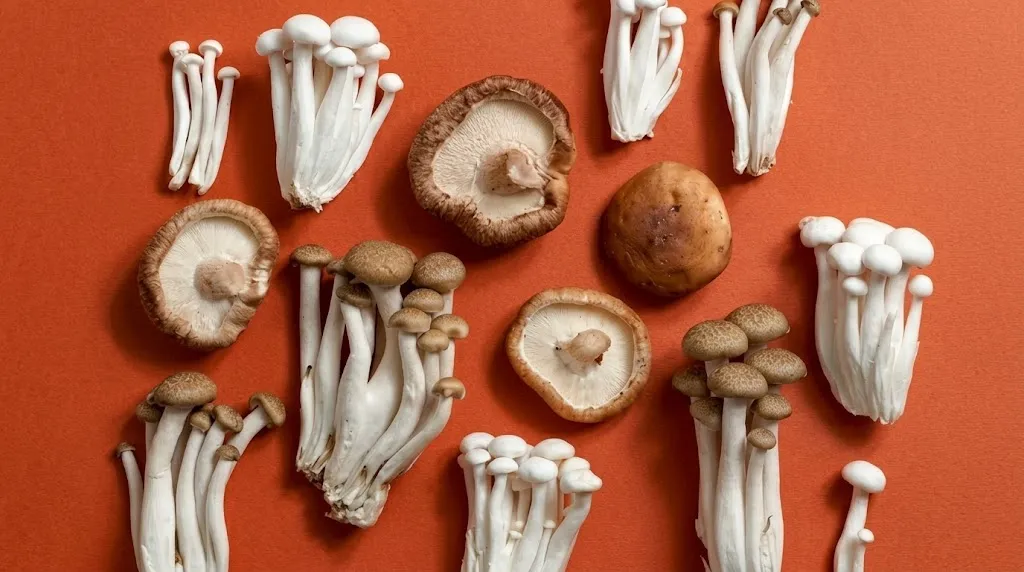
Functional mushroom food and beverage sales grew over 450% in the United States between 2021 and 2024. A 2024 Nutrition Business Journal survey of 8,000 consumers found Gen Z over-indexes on functional mushroom consumption by more than 10% points compared to every other generation (Newhope Network report).
What mainstream coverage misses: An active debate in mycology forums and Reddit communities distinguishes between mycelium grown on grain, which produces a powder largely made of starch filler, and fruiting body extracts, which contain higher concentrations of the compounds these products are marketed around. This has grown into a broader consumer-skepticism movement demanding clearer labeling and independent third-party testing.
Why Gen Z Is Ditching Alcohol and Choosing Mushrooms Instead?
The generational shift away from alcohol is structural, not anecdotal:
- 65% of Gen Z planned to drink less in 2025 (Source: Circana report)
- Gen Z sober-curious content engagement rose 53% between 2023 and 2024 (Source: Circana report)
But quitting alcohol creates a practical social problem this generation has solved in a very specific way. What do you hold at a party, festival, or dinner when you are not drinking? Functional mushroom beverages, adaptogenic drinks, and mushroom-infused mocktails have become the normalized answer.
Gen Z is the first generation to grow up with full access to research on alcohol’s effects on mental health, sleep, and cognition. The mushroom alternative offers the same social ritual without the hangover or health cost. At Coachella 2025, mushroom-based drinks were widely documented as the primary social beverage for younger attendees who were not drinking.
Mushroomcore: Gen Z’s Aesthetic Identity Around Fungi
Beyond wellness, mushrooms have developed a distinct aesthetic identity among Gen Z. Mushroomcore, a nature-centered subculture that emerged from cottagecore during the pandemic, has driven significant spikes in mushroom-related content across TikTok, Pinterest, and Instagram since 2022, with continued growth through 2026.
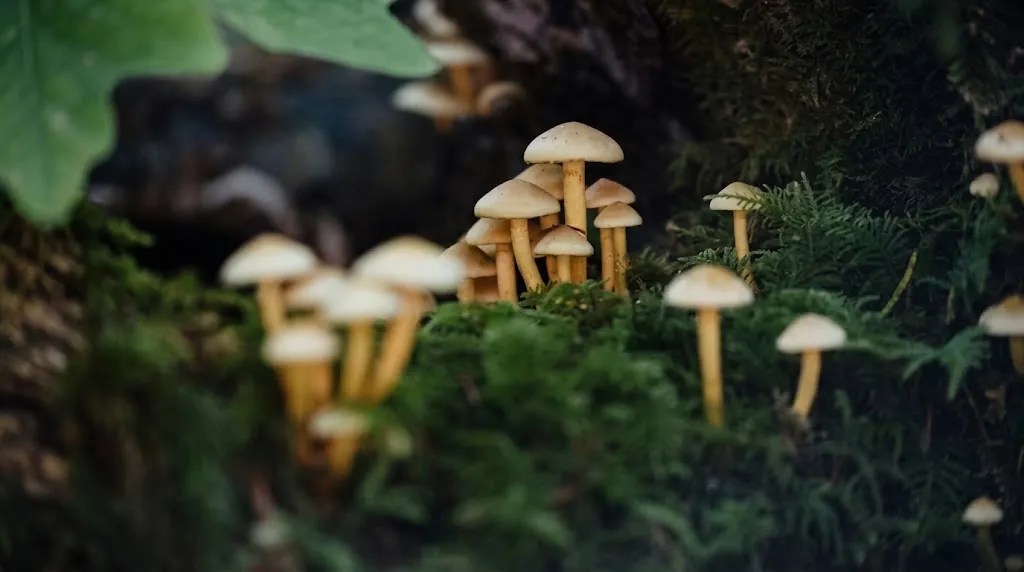
The visual language of fungi — forest floor colour palettes, embroidered patches, organic textures — has become shorthand for a generation drawn to alternatives rooted in nature rather than synthetics.
Mushroom Coffee Obsession (Gen Z Lifestyle Product)
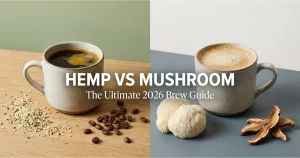
Mushroom coffee is the fastest-growing product category within functional mushrooms. The consumer premise is simple: blend Lion’s Mane, Chaga, Cordyceps, or Reishi powders into coffee, or replace coffee entirely, to get the social ritual of a hot morning drink without the anxiety and mid-afternoon energy crash associated with high-caffeine products.
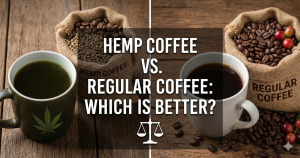
For those comparing morning drink: Hemp Coffee vs Mushroom Coffee Compared
Google searches for lion’s mane mushroom grew 450% week-over-week in 2024 (NutraIngredients). The TikTok hashtag #lionsmane has exceeded 189 million views.
Independent long-term reviews reveal a maturing consumer landscape. Early viral brands struggled with taste, described as muddy or dusty by reviewers. Brands that loaded their formulas with 200mg of caffeine were quickly flagged for defeating the low-stimulant purpose Gen Z buyers were after. Later entrants, focused on lower caffeine content and transparent ingredient dosing, built stronger loyalty.
Among informed buyers, sourcing and testing have become central criteria. Fungi efficiently absorb compounds from their growing substrate, which makes agricultural sourcing a relevant quality consideration, and why a growing segment of the community demands batch-specific third-party test results before purchasing.
Magic Mushrooms and Microdosing: The Cultural Conversation
Separately from functional wellness, the same generation shows the highest recorded openness to psilocybin of any demographic in survey history.
A 2024 Nutrition Business Journal survey found Gen Z and Millennials dramatically over-index on psilocybin familiarity and openness. A 2025 RAND study estimated that approximately 10 million American adults across all age groups microdosed psilocybin, LSD, or MDMA in the past year.
Microdosing, broadly defined as taking very small quantities of a psychedelic substance to experience subtle rather than overt effects, has become a growing topic in cultural conversations around creativity, productivity, and mental health. Research into the practice is ongoing, with evidence for its effectiveness and a full understanding of its risks still being developed.
The motivations discussed in community forums are primarily non-recreational, centered on mood management, creative output, and alternatives to conventional mental health approaches.
A discovery making waves in specialized communities: Researchers studying Lanmaoa asiatica, a wild mushroom linked to historical reports of vivid Lilliputian hallucinations, where people perceive miniature human-like figures, found that the species appears to contain no known psychoactive compound. University of Utah researchers are actively investigating the cause, and no active compound has yet been identified. For biohackers and amateur mycologists, this suggests the pharmacological map of psychoactive fungi is far less complete than the scientific community assumed.
What’s Happening With Magic Mushrooms in Canada Right Now?
Canada has developed a highly visible unregulated psilocybin retail market, despite psilocybin remaining a Schedule III controlled substance under the Controlled Drugs and Substances Act outside approved clinical pathways.
A 2025 study in JAMA Network Open identified 57 physical psilocybin dispensaries operating across 15 major Canadian cities as of May 2024, concentrated primarily in Ontario and British Columbia. The study noted that most dispensaries made health claims without clinical evidence and omitted important risk information, raising concerns regulators are actively addressing.
Legal scholars, public health researchers, and mainstream journalists all draw a parallel to Canada’s cannabis pre-legalization decade. In the mid-2010s, cannabis dispensaries operated openly while the country debated a regulatory framework. Psilocybin dispensaries are doing the same.
Health Canada’s Special Access Program approved 78% of physician applications for patient psilocybin access as of February 2024, and multiple clinical trials are running across the country. A 2023 report found that 5.9% of Canadians used psychedelics that year, a 195% increase since 2019.
Online psychedelic dispensaries like BuyLSDCanda to buy LSD online alongside magic mushrooms and DMT have emerged as part of this grey-market landscape, reflecting the broader cultural moment around psychedelic accessibility.
The Real Reason Fungi Have Captured a Generation’s Imagination
The deeper thread connecting all five mushroom subcultures is one that no functional mushroom brand has managed to articulate cleanly.
Mycelium, the underground network connecting trees and redistributing nutrients across entire forest ecosystems, has become a genuine cultural metaphor for Gen Z. Every node receives, processes, and redistributes resources based on local conditions, without central coordination. When one part of the ecosystem is under stress, excess resources are redirected through the network automatically.
For a generation navigating mental health conversations, wellness alternatives, and growing interest in psychedelic-assisted approaches to creativity and mood, fungi offer an unusually rich symbol.
Gen Z’s obsession with mushrooms is ultimately about things that are structurally interesting, scientifically incomplete, and genuinely useful in ways that keep expanding. In a media environment engineered to manufacture demand for disposable products, that is a genuinely rare combination.