



There are links on this site that can be defined as affiliate links. This means that we may receive a small commission (at no cost to you) if you purchase something through the links provided on this website.
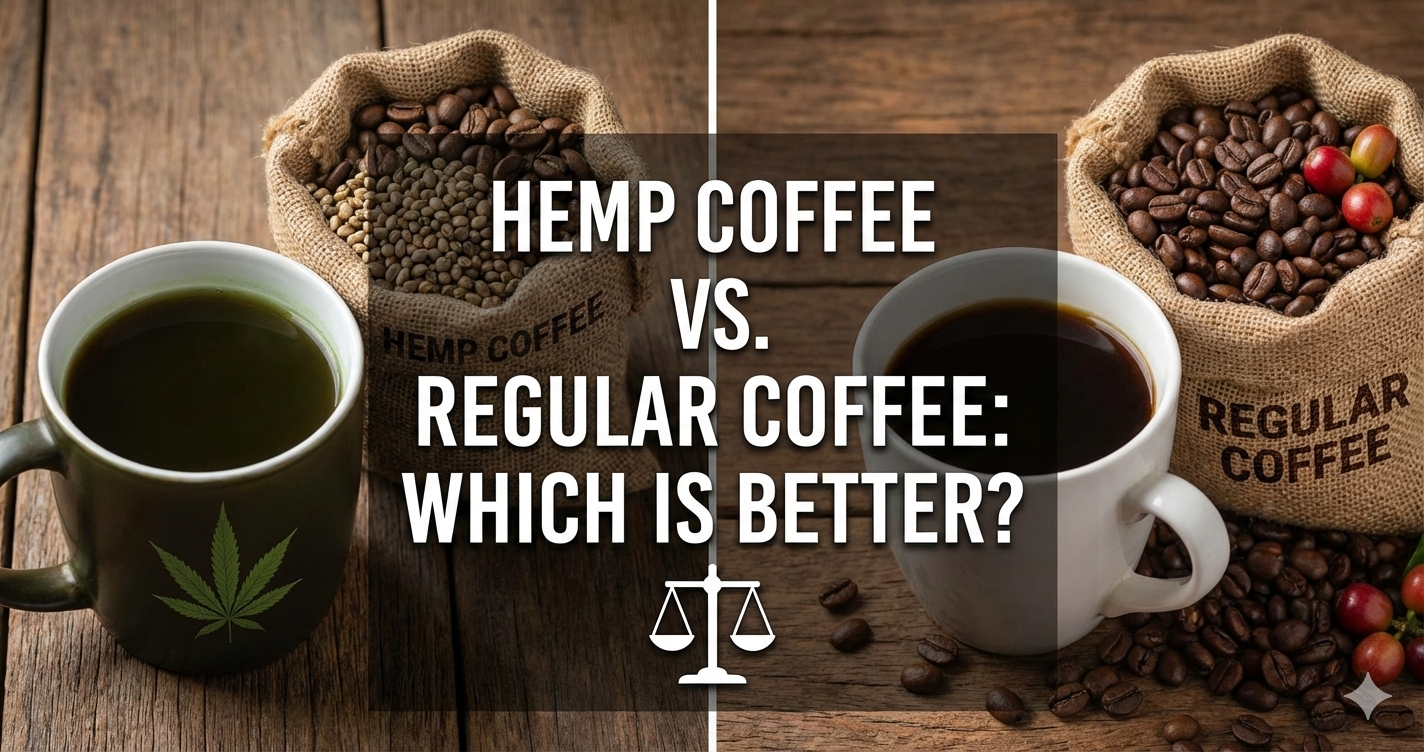
In the shifting landscape of functional nutrition, the “morning cup” is undergoing a profound transformation. As we navigate 2026, the global conversation has moved past simple stimulation toward cognitive optimization and metabolic longevity. The “Caffeine Crisis” of the mid-2020s, characterized by widespread burnout and adrenal fatigue, has led to a massive shift in consumer behavior. High-performance individuals are no longer satisfied with the “spike and crash” cycle of traditional stimulants. As we analyze the merits of Hemp Coffee vs. Regular Coffee, we find a collision between ancient botanical wisdom and modern nutritional science.
This deep-dive analysis explores the physiological, chemical, and environmental differences between these two brews, providing a data-backed roadmap for those looking to optimize their morning ritual.
The Physiological Impact: “Zen Focus” vs. “Fight or Flight”
The primary differentiator in the Hemp Coffee vs. Regular Coffee debate is how the body processes energy. Traditional regular coffee relies on a high concentration of caffeine, a methylxanthine alkaloid that blocks adenosine receptors in the brain. While effective for alertness, it often triggers the adrenal glands to release cortisol and adrenaline, mimicking a “stress state.”
The “Plateau Effect” of Hemp Coffee
Hemp coffee, specifically when blended with hemp hearts or infused with broad-spectrum hemp extract, introduces a stabilizing element. Hemp seeds are rich in healthy fats (polysaturated fatty acids) and plant-based proteins. According to recent research highlighted in Cannabis Research: Latest Studies and Findings, when lipids are consumed alongside caffeine, the rate of gastric emptying is significantly modulated.
From a researcher’s perspective, this results in a “plateau” energy curve rather than a vertical spike. Users report a state of “Zen Focus” a cognitive sharpening that lacks the peripheral nervous system tremors (the “jitters”) commonly associated with high-dose regular coffee. This metabolic buffering is particularly beneficial for those using Plant-Based Remedies for Natural Anxiety Relief, as it avoids the physiological panic triggers of naked caffeine.
Nutritional Bioavailability
Regular coffee is often praised for its high antioxidant content, specifically chlorogenic acids. However, it is nutritionally “thin” regarding macronutrients. Hemp coffee transforms the beverage into a functional food.
The Protein Profile: Edestin and Albumin
Hemp seeds are one of the few plant-based “complete proteins,” containing all nine essential amino acids. More importantly, 65% of hemp protein is Edestin, a globular protein that is highly compatible with the human body’s digestive system. The remaining 35% is Albumin, a high-quality protein similar to that found in egg whites.
In a direct Hemp Coffee vs. Regular Coffee nutritional comparison, hemp coffee offers:
- Omega-3 and Omega-6 Fatty Acids: Provided in the optimal 3:1 ratio for human heart health.
- Magnesium and Potassium: Essential electrolytes that regular coffee often depletes through its diuretic effect.
- Vitamin E: A potent fat-soluble antioxidant that protects brain cells from oxidative stress.
Beyond basic macros, hemp is a dense source of Arginine, an amino acid that produces nitric oxide, supporting blood vessel health. This makes it a primary subject of interest in our article on Hemp Seeds – A Nutritional Powerhouse for Everyone.
The Gastrointestinal Factor
A significant portion of the global population suffers from Gastroesophageal Reflux Disease (GERD) or general stomach sensitivity. Regular coffee has a pH level of approximately 4.7 to 5.0, making it highly acidic. This acidity, combined with caffeine’s tendency to relax the lower esophageal sphincter, creates a perfect storm for heartburn.
The Alkaline Balance
Hemp seeds are naturally alkaline. When ground and brewed with coffee, the hemp components act as a chemical buffer, raising the overall pH of the beverage. This makes Hemp Coffee a viable alternative for those who have previously abandoned coffee due to digestive distress. Furthermore, the anti-inflammatory properties of hemp-derived cannabinoids (if using infused varieties) may support a healthier gut microbiome. Research from the National Institutes of Health (NIH) suggests that maintaining an alkaline environment in the gut can reduce the systemic inflammation often triggered by acidic dietary habits.
Chemical Composition: Terpenes, Cannabinoids, and Caffeine
To understand why Hemp Coffee vs. Regular Coffee is such a debated topic in 2026, we must look at the “Entourage Effect.” This is the theory that botanical compounds work better in synergy than in isolation.
| Chemical Component | Regular Coffee | Hemp Coffee (Blended/Infused) |
|---|---|---|
| Primary Stimulant | Caffeine | Caffeine (Lower Dose) |
| Lipid Profile | Negligible | High (Omega 3, 6, 9) |
| Phyto-compounds | Chlorogenic Acid | CBD, CBG, Terpenes |
| Alkalinity | Acidic (pH 4.8) | Near-Neutral (pH 6.2+) |
The Role of Terpenes
Hemp is rich in terpenes like Myrcene (relaxing) and Limonene (elevating). When these interact with the coffee’s natural aromatics, they create a more complex neurochemical interaction. While regular coffee provides a “hammer” to the nervous system, hemp coffee provides a “tuning fork.” For a deeper dive into the biology of these plants, see our guide on What Is the Difference Between Cannabis, Weed and Hemp?.
The Satiety Factor: Hemp Coffee and the GLP-1 Era
In 2026, metabolic health is synonymous with blood sugar stability. One of the most overlooked aspects of the Hemp Coffee vs. Regular Coffee comparison is how each affects appetite and insulin sensitivity.
Blood Sugar Stability
Regular coffee, when consumed on an empty stomach, can lead to a rise in cortisol, which in turn causes a temporary spike in blood glucose. For many, this leads to “hunger pangs” shortly after the morning cup.
Hemp seeds, however, contain high-quality fiber and healthy fats. These act as prebiotics, feeding the beneficial bacteria in the gut. Evidence suggests that a fiber-rich start to the day supports the natural release of GLP-1 (glucagon-like peptide-1), the hormone responsible for feelings of fullness. By choosing a hemp-blended coffee, you are essentially “pre-loading” your metabolism, reducing the likelihood of mid-morning cravings.
The Carbon Footprint of Your Cup
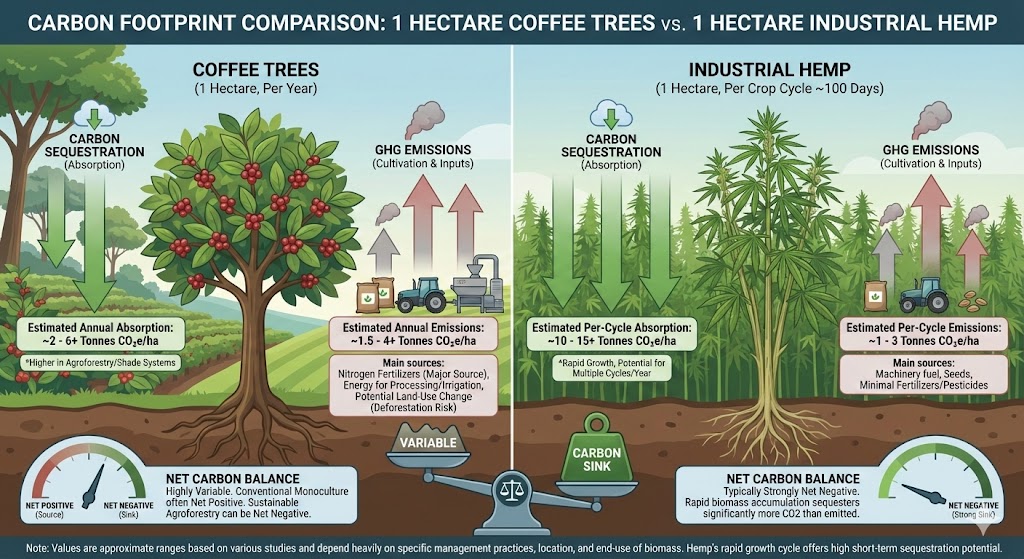
In 2026, sustainability is a primary driver of consumer trust. The environmental impact of Hemp Coffee vs. Regular Coffee is stark.
Coffee’s Deforestation Problem
Traditional coffee production is often linked to deforestation in the “Bean Belt.” It requires specific altitudes, high water usage, and often involves intensive pesticide application. The International Coffee Organization (ICO) has warned that rising global temperatures could reduce suitable coffee-growing land by 50% by 2050.
Hemp as a Carbon Sink
Industrial hemp is one of the most sustainable crops on Earth.
- Carbon Sequestration: One hectare of hemp can absorb up to 15 tons of CO2, making it more efficient than a forest of the same size.
- Soil Regeneration: Hemp’s deep taproots aerate the soil and pull up nutrients, a process known as phytoremediation.
- Water Efficiency: Hemp requires approximately 50% less water than traditional coffee crops.
By choosing HempCoffee, consumers are supporting a regenerative agricultural model that gives back to the earth more than it takes. This is a key theme in The Future of Cannabis: Trends, Innovation, and Growth.
Taste Profiles: An Organoleptic Comparison
For the coffee purist, taste is paramount. In the battle of Hemp Coffee vs. Regular Coffee, the flavor profiles are distinct but complementary.
- Regular Coffee: Depending on the roast, it offers notes of chocolate, fruit, or citrus, but always with an underlying “bite” or bitterness.
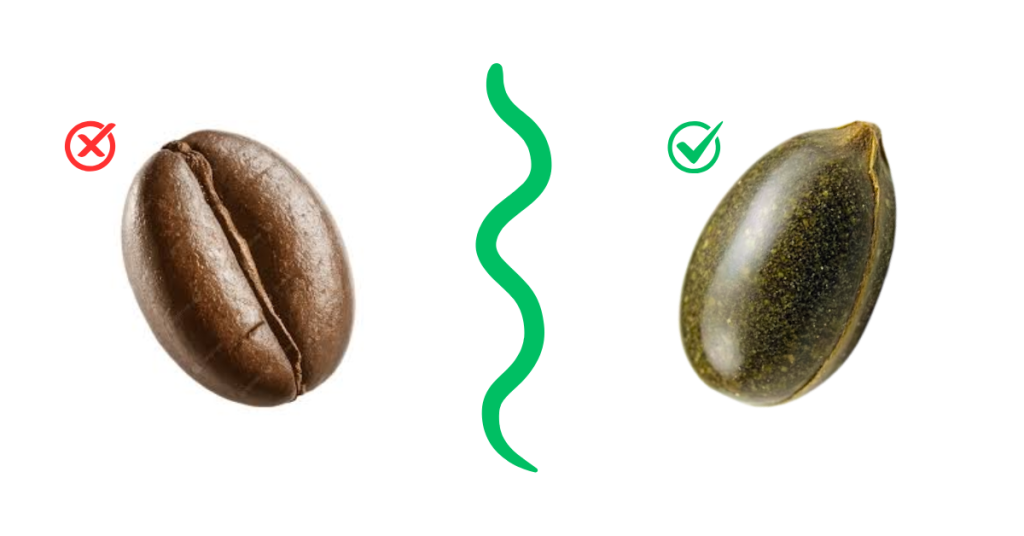
- Hemp Coffee: The addition of roasted hemp seeds introduces a nutty, buttery undertone reminiscent of toasted walnuts or pine nuts. It significantly reduces the “bitter” finish of a dark roast, resulting in a creamier mouthfeel even without the addition of milk.
For those who struggle with the traditional “coffee breath” or the bitter aftertaste, the smoothness of hemp is often the deciding factor.
Why the Switch is Happening Now
The rise of “California Sober” and the general movement toward “Sober-Curious” lifestyles have made hemp-derived products mainstream. Consumers are looking for “micro-doses” of wellness throughout their day. Hemp coffee fits perfectly into this “biohacking” trend, where every calorie and every drink must serve a functional purpose beyond just hydration or stimulation.
This shift is even being seen in the athletic world. Performance coaches are now looking at Is Using Cannabis for Muscle Pain Safe and Effective?, and extending that curiosity to how hemp-based nutrition can improve morning recovery and cognitive output.
How to Transition and Brew
If you are currently a regular coffee drinker, the transition to Hemp Coffee does not require a complete lifestyle overhaul.
Advanced Extraction Protocols:
- The Pre-Blended Roast: Purchase coffee that has already been roasted with hemp seeds. Crucial: Use a French Press. Paper filters can trap the essential Omega oils and Edestin proteins, stripping the coffee of its nutritional value.
- The DIY Blend: Add 1 tablespoon of raw hemp hearts to your regular coffee grounds before brewing. This allows for total control over the “nutty” intensity of the cup.
- The Nano-Infusion: Use a high-quality CBD or hemp oil tincture in your standard morning cup. This is excellent for specific therapeutic goals, such as joint support or Hemp Leaf Extract for Skin Health.

Frequently Asked Questions
Yes. Under the 2018 Farm Bill (and subsequent 2025 updates), hemp-derived products containing less than 0.3% THC are federally legal. Hemp coffee is non-psychoactive and will not produce a “high.”
Most hemp coffee utilizes hemp seeds, which contain no THC. Even infused versions using “Isolate” or “Broad Spectrum” extracts contain zero THC. However, always check for “Third-Party Lab Results” to ensure purity. For more on this, consult our article on Common Side Effects to understand the safety profile of hemp.
If you are drinking hemp coffee blended with seeds, it contains fats and proteins that will break a fast (approximately 40-60 calories per cup). If you are using a calorie-free CBD infusion, it generally will not interfere with autophagy.
Due to the added nutritional value and specialized processing, hemp coffee is typically 15-20% more expensive than “supermarket” regular coffee, but comparable to high-end “Specialty Grade” beans ($20-$28 per lb).
Most hemp coffee blends use about 70-80% coffee beans and 20-30% hemp seeds. Therefore, a cup of hemp coffee naturally has about 25% less caffeine than a standard cup of regular coffee, making it ideal for those who are caffeine-sensitive.
Conclusion
When we evaluate Hemp Coffee vs. Regular Coffee, the conclusion depends on your individual goals. If you are seeking a raw, high-intensity stimulant and have a robust digestive system, regular coffee remains the gold standard for pure energy.
However, if your goal is longevity, cognitive stability, and gut health, hemp coffee is the superior choice. It provides the alertness of caffeine but packages it within a nutrient-dense, low-acid, and environmentally friendly medium. In the age of “Precision Nutrition,” hemp coffee is not just a trend, it is the evolution of the morning brew.