
There are links on this site that can be defined as affiliate links. This means that we may receive a small commission (at no cost to you) if you purchase something through the links provided on this website.
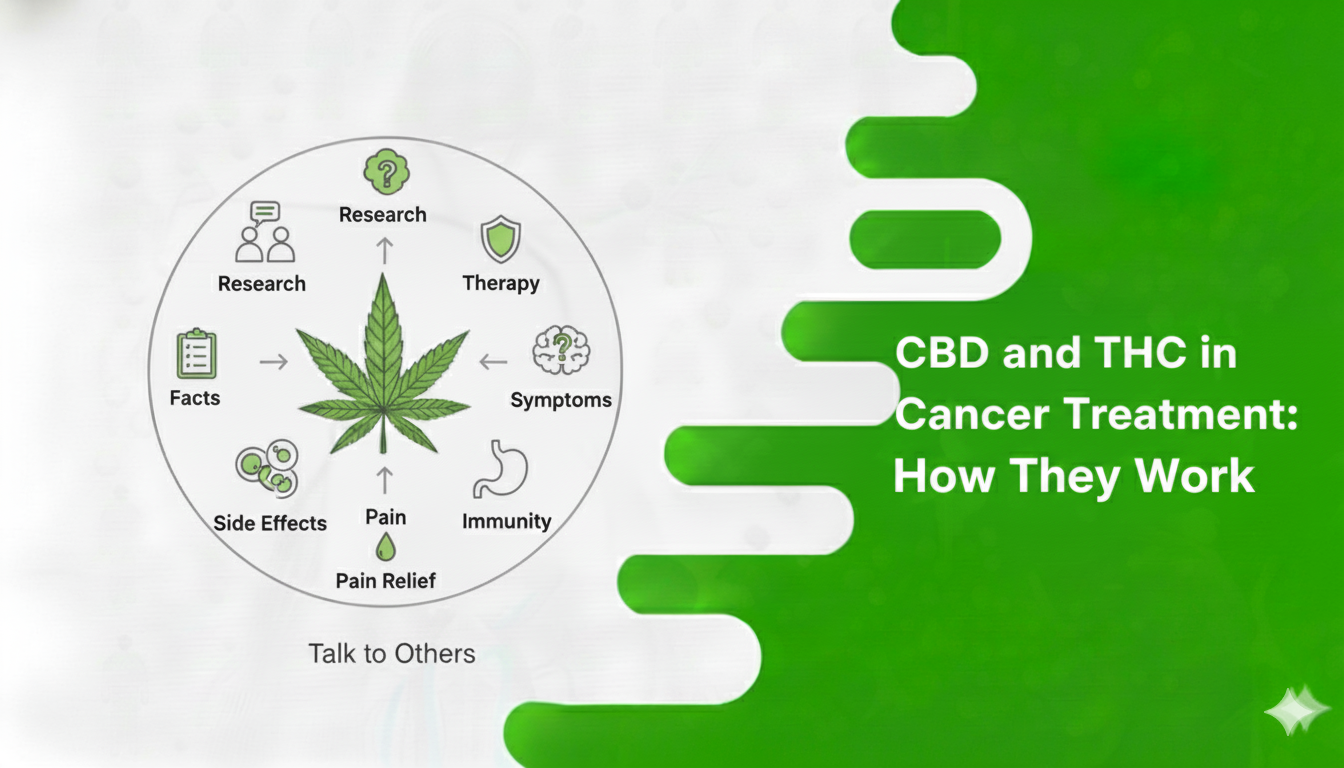
CBD and THC in Cancer Treatment has become a rapidly growing topic as researchers, oncologists, and patients explore complementary options to improve quality of life during cancer care. Cannabidiol (CBD) and tetrahydrocannabinol (THC) are the two most studied cannabinoids found in cannabis, each interacting differently with the body’s endocannabinoid system. Educational discussions around cannabis often extend into related wellness topics such as understanding whether cannabis can be harmful for dogs and how hemp-derived compounds differ across species.
CBD is non-intoxicating and is widely studied for its anti-inflammatory, anti-anxiety, and pain-modulating properties. THC, on the other hand, is psychoactive and is primarily associated with appetite stimulation, nausea control, and pain relief. Together, they are increasingly discussed in the context of integrative oncology and broader cannabis literacy, including how cannabinoids are processed into edibles like cannabis brownies or infused fats such as cannabis butter.
At Hempshop247, educational content focuses on helping readers understand cannabis-based compounds responsibly, including how related products like best CBD oils for natural relief may fit into broader wellness conversations.
How Do CBD and THC Work in the Human Body During Cancer Care?
Cannabinoids interact with CB1 and CB2 receptors located throughout the nervous and immune systems. In CBD and THC in Cancer Treatment, these interactions may help regulate pain signaling, inflammation, mood, and digestive function. Understanding this mechanism also helps explain why different THC variants such as those covered in a comprehensive THCH overview may produce varied effects.
THC primarily binds to CB1 receptors in the brain, which explains its ability to reduce chemotherapy-induced nausea and stimulate appetite. CBD works more indirectly, influencing receptor activity and enzyme function, potentially helping manage anxiety, sleep disruption, and inflammation without intoxication. These differences are further clarified when comparing hemp vs marijuana sources.
Can CBD and THC Help Manage Cancer-Related Symptoms?
One of the strongest areas of evidence for CBD and THC in Cancer Treatment is symptom management rather than cure. Many patients seek cannabis for supportive care alongside conventional treatments.
Potential symptom-related benefits include:
- Reduction of chemotherapy-induced nausea and vomiting
- Improved appetite and weight maintenance
- Pain modulation, particularly neuropathic pain
- Reduced anxiety and sleep disturbances
Patients exploring edibles should also be aware of safety considerations such as whether it is safe to consume expired cannabis edibles and how potency affects outcomes, including whether a vape cart can get you high.
What Does Science Say About CBD and THC in Cancer Treatment Outcomes?
Current scientific consensus does not support cannabis as a standalone cancer cure. However, CBD and THC in Cancer Treatment are widely acknowledged in peer-reviewed studies as complementary options for improving comfort and quality of life.
Laboratory and early-stage studies suggest cannabinoids may influence cancer cell signaling, apoptosis, and tumor microenvironments, but these findings have not yet translated into standardized clinical therapies. This cautious approach mirrors how emerging cannabinoids like THCA are discussed in resources such as understanding THCA and its use and THC-P potential benefits.
Is CBD Oil Safe for Cancer Patients Undergoing Treatment?
CBD oil is often preferred by patients seeking symptom relief without intoxication. In discussions around CBD and THC in Cancer Treatment, safety, dosage, and drug interactions are critical considerations.
CBD can interact with certain chemotherapy drugs by affecting liver enzymes responsible for drug metabolism. This is why oncologist consultation is essential. Choosing high-quality products similar to guidance found in reviews of top CBD oil brands is especially important for immunocompromised patients.
How Does THC Support Patients During Chemotherapy?
THC has a longer history of medical use in oncology settings, particularly for nausea, vomiting, and appetite loss. In CBD and THC in Cancer Treatment, THC’s role is often associated with appetite stimulation and sleep regulation, which may overlap with discussions on whether sativa strains keep you awake.
Understanding THC strength, legality, and delivery methods is important, especially as modern cannabis markets include a wide range of products. Educational insights into Delta-9 THC and its legal landscape help patients remain compliant and informed.
What Are the Legal and Ethical Considerations of Using Cannabis in Cancer Care?
Legal frameworks for cannabis vary by region, making informed decision-making essential when considering CBD and THC in Cancer Treatment. Hemp-derived CBD is widely legal in many jurisdictions, while THC legality depends on local medical or recreational cannabis laws, including state-specific rules such as whether Delta-9 is legal in Texas.
Ethically, medical professionals emphasize patient autonomy, harm reduction, and transparent communication. Resources on weed delivery safety tips further support responsible access.
Can CBD and THC Be Used Alongside Traditional Oncology Treatments?
Yes, but only under medical guidance. CBD and THC in Cancer Treatment are considered complementary therapies, not replacements for surgery, chemotherapy, radiation, or immunotherapy.
Integrative oncology encourages open dialogue between patients and healthcare providers to avoid drug interactions and unrealistic expectations. This approach aligns with responsible cannabis education models seen across topics like CBD massage oil and hemp cream for pain reduction.
Frequently Asked Questions
1. Is CBD and THC in Cancer Treatment approved by doctors?
Some doctors recommend cannabinoids for symptom relief, but approval depends on local laws and individual medical circumstances.
2. Can CBD and THC cure cancer?
No. There is no clinical evidence proving cannabinoids cure cancer; they are used for supportive care only.
3. Is CBD oil better than THC for cancer patients?
CBD is often preferred for non-intoxicating relief, while THC may be more effective for nausea and appetite stimulation.
4. Are there side effects of using cannabis during cancer treatment?
Possible side effects include fatigue, dizziness, dry mouth, and drug interactions, emphasizing the need for medical supervision.
5. How should patients start using CBD and THC safely?
Patients should start with low doses, choose lab-tested products, and consult their oncology care team before use.
Final Thoughts
CBD and THC in Cancer Treatment represent an evolving area of integrative oncology focused on comfort, dignity, and quality of life. As research continues, trusted educational platforms like Hempshop247 play an important role in providing accurate, balanced information that empowers patients without promoting misinformation.
When approached responsibly, cannabinoids may serve as supportive tools within a comprehensive cancer care plan always guided by science, transparency, and professional medical advice.