






There are links on this site that can be defined as affiliate links. This means that we may receive a small commission (at no cost to you) if you purchase something through the links provided on this website.
When it comes to growing robust cannabis plants, nothing is more crucial than the soil you choose. At Hempshop247, we know that the best soil for cannabis can make the difference between mediocre yields and thriving, potent plants. This guide dives deep into the proven options for healthier growth, so you can make informed choices for your cannabis garden.
What Makes Soil Ideal for Cannabis?
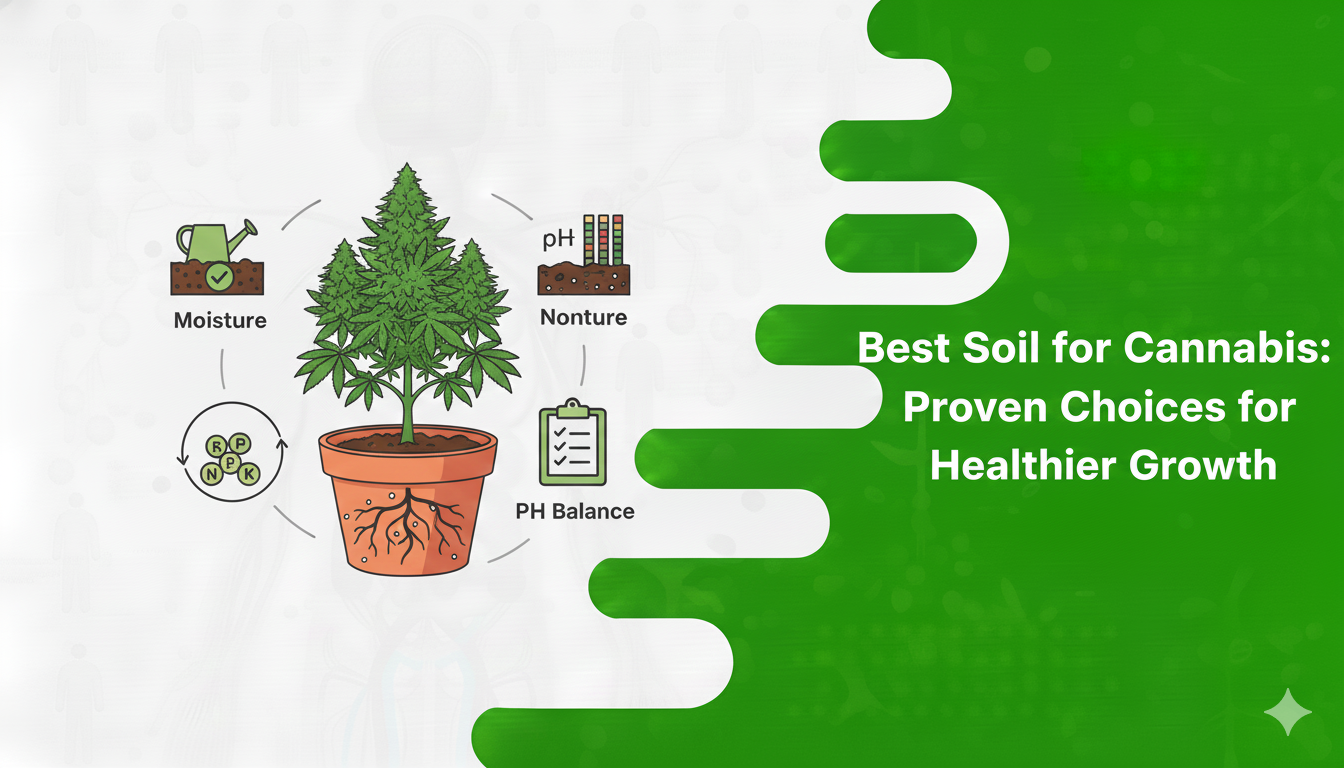
The best soil for cannabis isn’t just dirt it’s a carefully balanced ecosystem. Cannabis thrives in soil that has excellent drainage, optimal pH, and rich nutrients. Good soil allows roots to breathe, absorb nutrients, and grow strong. Key features to look for include:
- pH level: Cannabis prefers a slightly acidic range of 6.0–7.0.
- Nutrient content: Nitrogen, phosphorus, and potassium are essential, but trace minerals like calcium and magnesium also matter.
- Texture: Loamy soil, which balances sand, silt, and clay, promotes optimal root health.
- Drainage: Soil should retain moisture but not stay waterlogged.
For more tips on plant health, check out Hemp Seeds: A Nutritional Powerhouse for Everyone.
Which Types of Soil Are Best for Cannabis?
1. Loamy Soil
Loamy soil is widely considered the gold standard. It provides excellent drainage while retaining enough moisture for consistent growth. Its balanced structure encourages root expansion and nutrient absorption, making it perfect for cannabis cultivation.
2. Organic Soil
Organic soil enriched with compost or worm castings supplies natural nutrients without chemical additives. This soil type is excellent for those seeking a sustainable approach. Learn more about enhancing your cannabis edibles with natural ingredients at How to Make Cannabis Brownies.
3. Super Soil
Super soil is a pre-fertilized, ready-to-use option for growers who want minimal intervention. Packed with nutrients and beneficial microbes, it allows cannabis to thrive from seedling to harvest. Pairing super soil with controlled watering can maximize potency and yield.
4. Sandy Soil with Amendments
While sandy soil drains well, it often lacks nutrients. Mixing in organic matter such as compost or peat moss can transform sandy soil into an excellent medium for cannabis.
5. Coco Coir
Coco coir is derived from coconut husks and offers a renewable, lightweight growing medium. Though it requires additional nutrients, it provides exceptional water retention and aeration. Learn how to integrate nutrients effectively in your grow at How to Make Cannabis Butter.
How Do You Test Soil for Cannabis Growth?
Testing soil is simple but essential for healthy plants. Here’s a step-by-step approach:
- Check pH: Use a soil pH meter to ensure acidity is in the optimal range.
- Assess texture: Squeeze a handful—ideal soil holds together but crumbles easily.
- Nutrient testing: Use kits to measure nitrogen, phosphorus, and potassium levels.
- Drainage test: Water the soil and observe absorption; waterlogging indicates poor drainage.
If you want to understand more about cannabis products and their effects, check out Does a Cart Get You High?.
Can You Improve Poor Soil for Cannabis?
Absolutely! Even if your garden has suboptimal soil, there are proven ways to enhance it:
- Add compost or worm castings to boost nutrients.
- Use perlite or vermiculite to improve aeration and drainage.
- Mix in peat moss or coco coir for moisture retention.
- Rotate nutrients to prevent deficiencies during growth cycles.
For safety and best practices, also see Safety Tips for Weed Delivery.
How Often Should You Change or Amend Cannabis Soil?
Cannabis is nutrient-hungry, so maintaining soil health is vital. Depending on your soil type:
- Super soil: Often lasts an entire grow cycle without additional nutrients.
- Organic or loamy soil: May require periodic amendments with compost or fertilizers.
- Coco coir: Needs regular feeding as it has minimal natural nutrients.
Consistency ensures your cannabis remains vigorous, maximizing both yield and potency.
Can You Reuse Cannabis Soil?
Reusing soil is possible but requires care:
- Remove roots and debris.
- Replenish nutrients using compost or organic fertilizers.
- Allow the soil to rest for a few weeks to restore microbial life.
Proper soil management reduces waste and maintains sustainable cultivation practices.
FAQ
Q1: What is the best soil for cannabis growth?
A1: Loamy and organic soils are ideal due to their balanced drainage, nutrients, and texture. Super soil also provides excellent growth with minimal maintenance.
Q2: Can cannabis grow in sandy soil?
A2: Yes, but it requires amendments like compost or peat moss to retain nutrients and moisture.
Q3: How do I test my cannabis soil?
A3: Check pH, texture, nutrients, and drainage using soil testing kits or simple hands-on methods.
Q4: Can I reuse cannabis soil for new plants?
A4: Yes, by removing old roots, replenishing nutrients, and allowing it to rest, soil can be reused effectively.
Q5: Is coco coir a good alternative for cannabis?
A5: Absolutely. Coco coir provides excellent aeration and water retention, but it requires additional nutrients for optimal growth.
Conclusion
Choosing the best soil for cannabis is the foundation of a successful grow. Whether you prefer loamy soil, organic amendments, super soil, or coco coir, the key is providing proper drainage, balanced nutrients, and optimal pH for your plants. Regular testing, amendments, and careful maintenance can transform even average soil into a thriving medium for cannabis.
At Hempshop247, we emphasize sustainable and effective growing practices to help your cannabis reach its full potential. With the right soil and care, you can enjoy healthier plants, higher yields, and richer flavors, ensuring your grow is both rewarding and successful.